

Call us now
08071931979
ICMobserver Partial Discharge (PD) Monitoring System
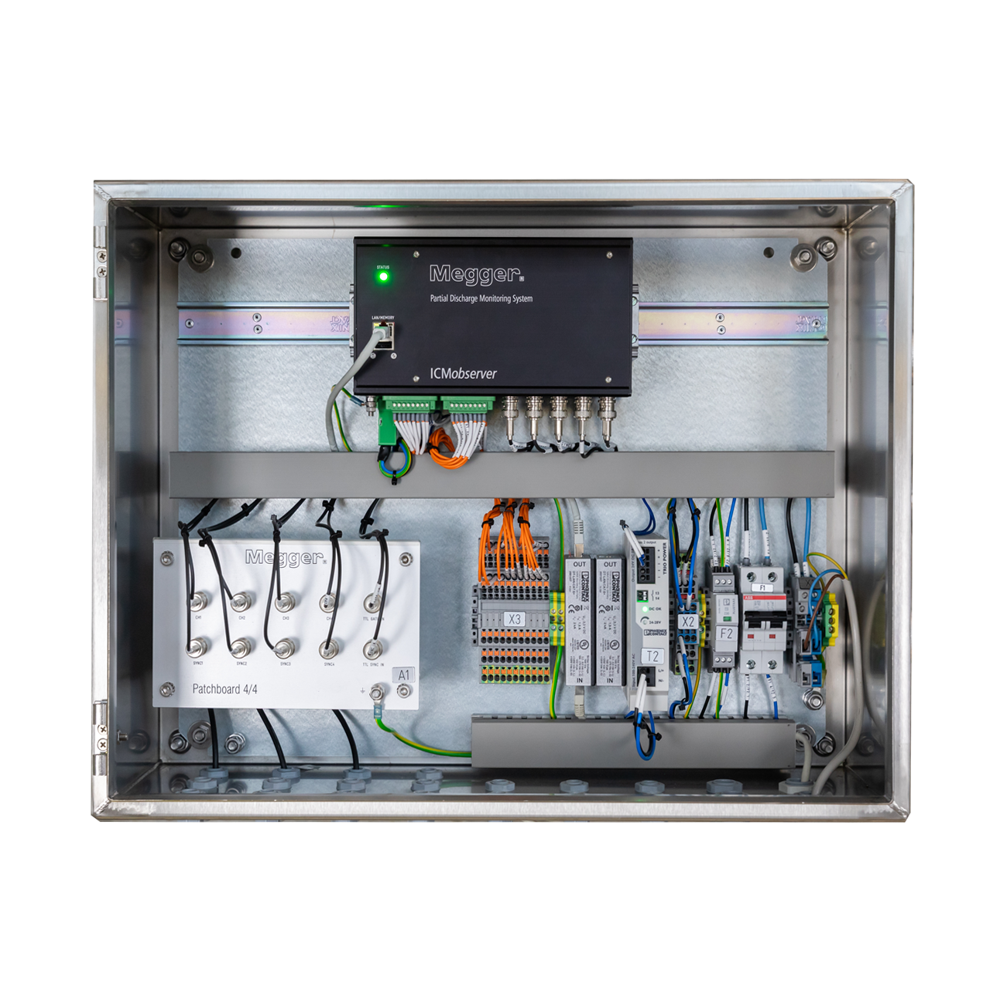
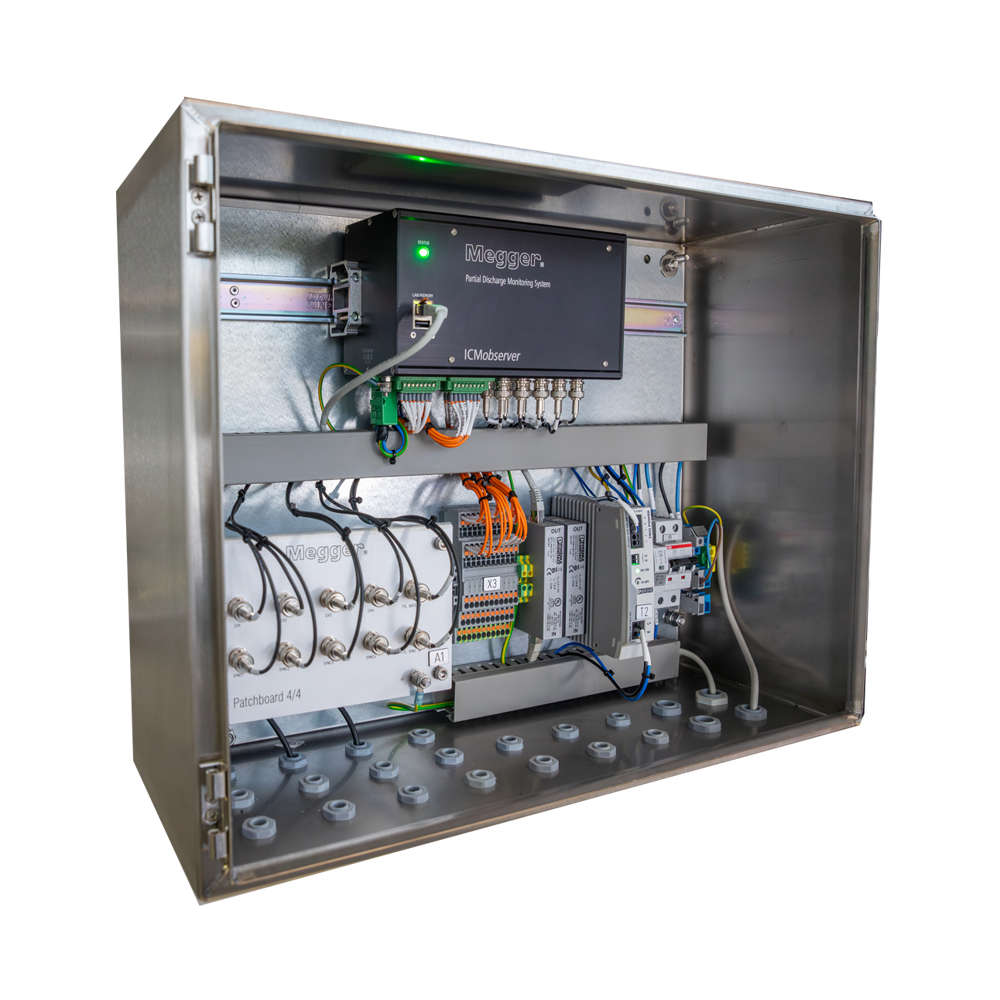
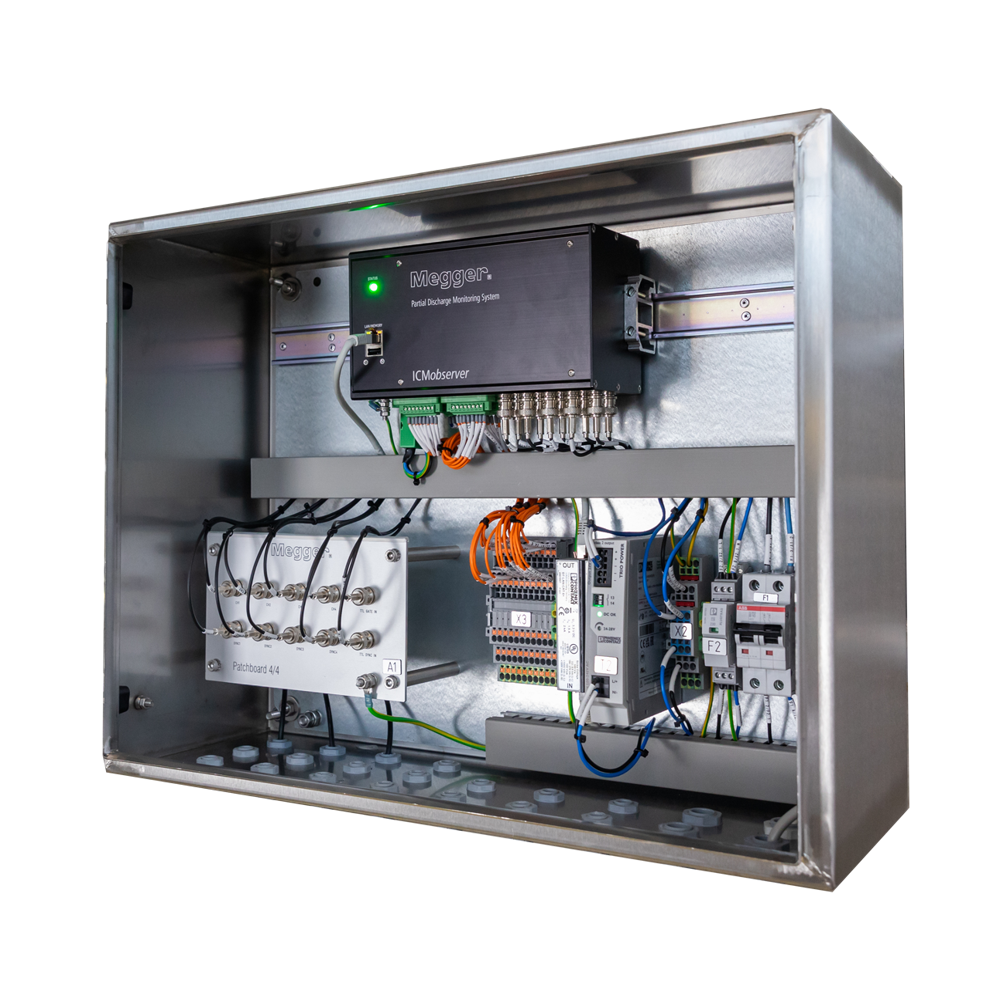
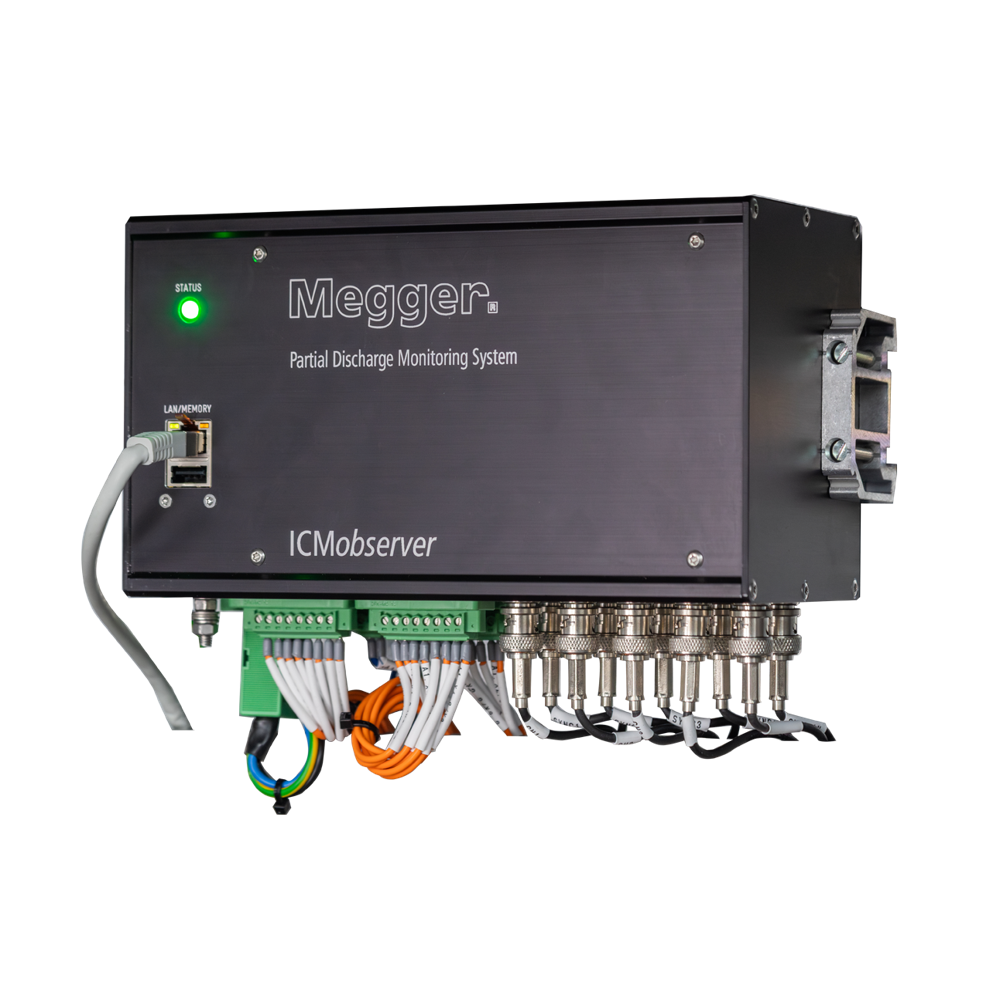
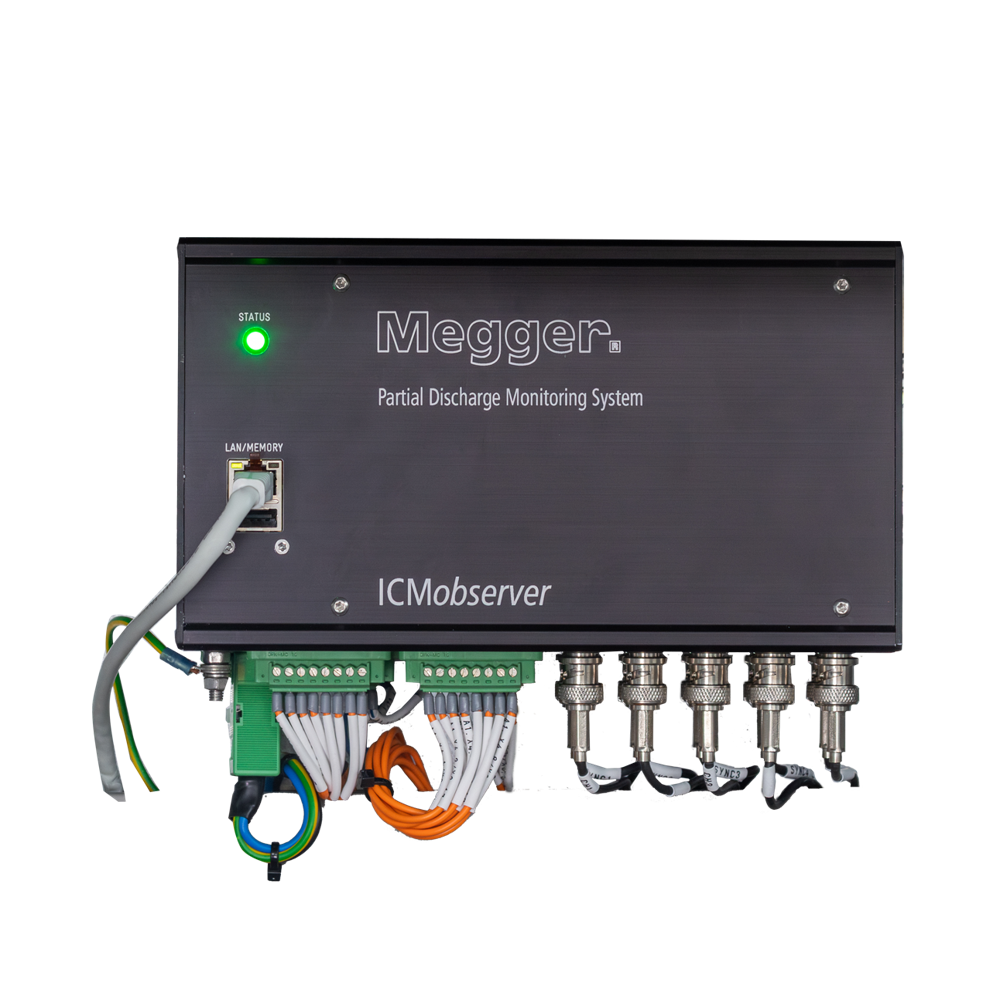

ICMobserver Partial Discharge (PD) Monitoring System Specification
- Usage & Applications
- Continuous on line PD monitoring and diagnostics for transformers, GIS, switchgear, cables, and MV/HV electrical assets
ICMobserver Partial Discharge (PD) Monitoring System Trade Information
- Minimum Order Quantity
- 1 Piece
- Payment Terms
- Cash in Advance (CID)
- Supply Ability
- 100 Pieces Per Month
- Delivery Time
- 10 Days
- Main Domestic Market
- All India
ICMobserver Partial Discharge (PD) Monitoring System About
Adiradh Offers ICMobserver Partial Discharge Monitoring System is an advanced, industrialgrade solution designed for continuous PD detection and condition monitoring of medium and high voltage electrical assets. With robust performance and realtime analysis, it enables early identification of insulation faults in transformers, GIS, switchgear, cables, and other critical equipment. The system supports multiple channels, highfrequency PD acquisition, remote connectivity, and advanced software visualization, helping industries and utilities improve asset reliability and prevent unplanned outages. With Adiradh Offers, the ICMobserver delivers high accuracy, dependable operation, and comprehensive PD insights for preventive maintenance and conditionbased asset management.Specifications:
-
Monitoring Type: Continuous online PD monitoring
-
Measurement Standard: IEC 60270 compliant
-
Channels: Multichannel PD acquisition (configurable)
-
PD Sensor Type: UHF sensors / HFCT / external couplers
-
Interface: LAN / USB / remote software support
-
Measurement Modes: AC phaseresolved PD, DC timebased PD, spectrum analysis
-
Noise Suppression: Advanced disturbance gating
-
Power Supply: AC mains with backup options
-
Portability: Fixed installation (industrial)
-
Operating Environment: Indoor / outdoor field conditions
-
Software Support: Remote monitoring and trending software
Why Continuous PD Monitoring Matters
Continuous online PD monitoring through the ICMobserver helps organizations identify insulation issues before they lead to severe faults or outages. By providing real-time diagnostics, this system supports timely maintenance decisions, lengthens equipment life, and reduces the risk of unplanned downtime and costly repairs.
Suitable Applications Across Power Assets
The ICMobserver is expertly designed to monitor a broad range of electrical components, including power transformers, GIS, switchgear, and both medium and high voltage cables. Its comprehensive detection and analysis capabilities make it suitable for utilities, industrial facilities, and energy infrastructures throughout India.
FAQ's of ICMobserver Partial Discharge (PD) Monitoring System:
Q: How does the ICMobserver PD Monitoring System operate for continuous asset protection?
A: The ICMobserver employs advanced sensors and data acquisition modules to continuously monitor partial discharge activity in real-time. It automatically collects, processes, and analyzes data, enabling early detection of insulation defects in critical electrical assets.Q: What types of electrical equipment can be monitored using this system?
A: The system is versatile and can be installed on a range of equipment, including power transformers, GIS, switchgear, and medium or high voltage (MV/HV) cables. This makes it ideal for power utilities and industrial operations requiring reliable diagnostics.Q: When should organizations deploy continuous PD monitoring?
A: Continuous PD monitoring is best deployed as part of a proactive maintenance strategy, especially for assets operating in harsh conditions, experiencing aging, or deemed critical for power reliability. Early installation helps in tracking asset condition over time and prevents unexpected failures.Q: Where can the ICMobserver PD Monitoring System be installed?
A: This system can be installed on-site wherever key electrical equipment is located, such as substations, industrial plants, and power generation facilities across India. It is suitable for both new installations and retrofitting existing assets.Q: What is the process for installing and integrating the ICMobserver system?
A: Installation involves attaching sensors to the asset's insulation points, connecting the data acquisition module, and integrating the system with existing control and monitoring interfaces. Suppliers or service partners in India assist with setup, configuration, and ongoing support.Q: What are the primary benefits of using the ICMobserver for PD monitoring?
A: Organizations benefit from improved equipment reliability, significant reduction in unplanned outages, early defect identification, optimized maintenance scheduling, and extended asset lifespan. The system ultimately leads to cost savings and enhances operational safety.Tell us about your requirement

Price:
Quantity
Select Unit
- 50
- 100
- 200
- 250
- 500
- 1000+
Additional detail
Mobile number
Email

More Products in Partial Discharge Category
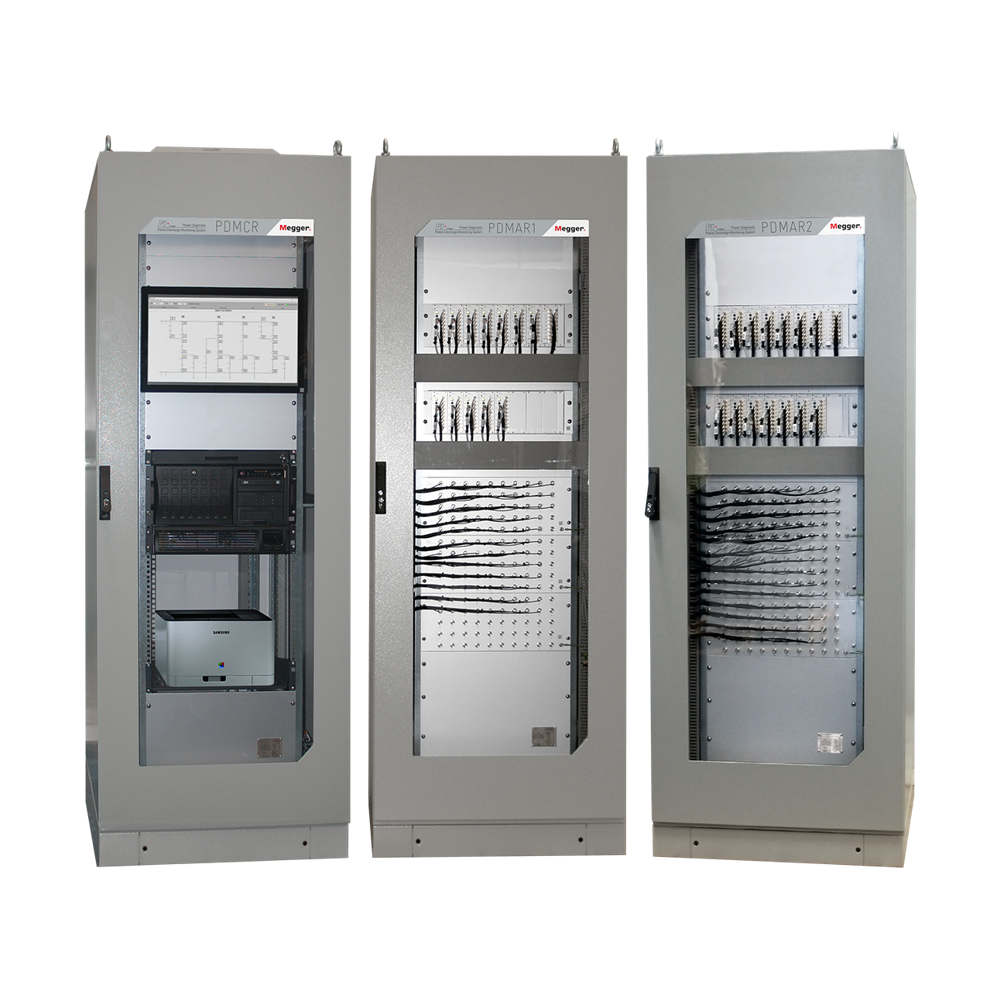
Online Partial Discharge Monitoring system on GIS
Price 6000000.0 INR / Piece
Minimum Order Quantity : 1 Piece
Color : Grey/Silver
Material : Aluminum alloy and engineered plastics
Size : Standard, customizable based on GIS panel size
Usage & Applications : Continuous GIS health monitoring, predictive maintenance, insulation fault detection
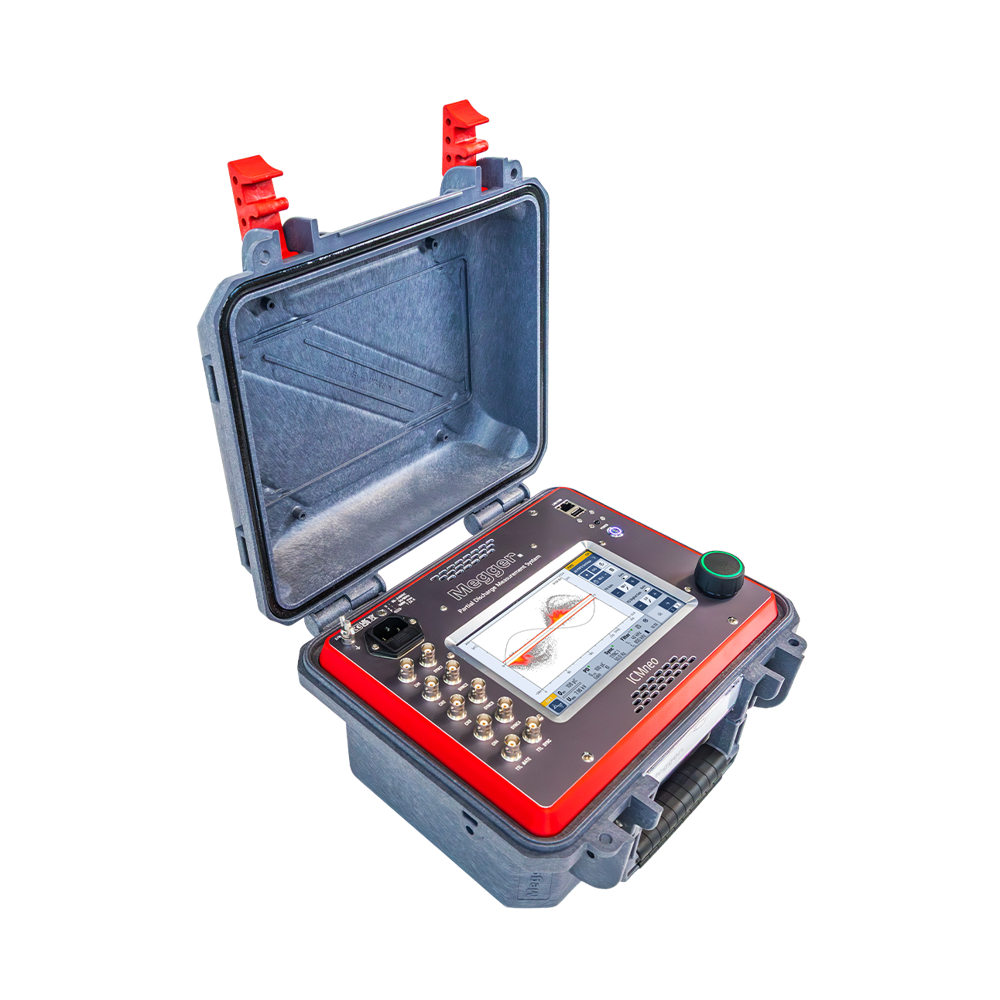
Digital Partial Discharge test and measurement device ICMneo
Price 5500000.0 INR / Piece
Minimum Order Quantity : 1 Piece
Color : GreyBlack
Material : Industrialgrade Plastic and Metal Housing
Size : Compact Portable Unit
Usage & Applications : Testing Power Transformers, GIS, Rotating Machines, Cables, Switchgear
Megger ICMneo Digital Partial Discharge Test and Measurement Device
Price 7900000.0 INR / Piece
Minimum Order Quantity : 1 Piece
Color : Grey and Red
Material : Highgrade industrial plastic/ABS polymer
Size : Portable, compact
Usage & Applications : Partial discharge testing and analysis for cables, transformers, switchgear, rotating machines, and insulation materials
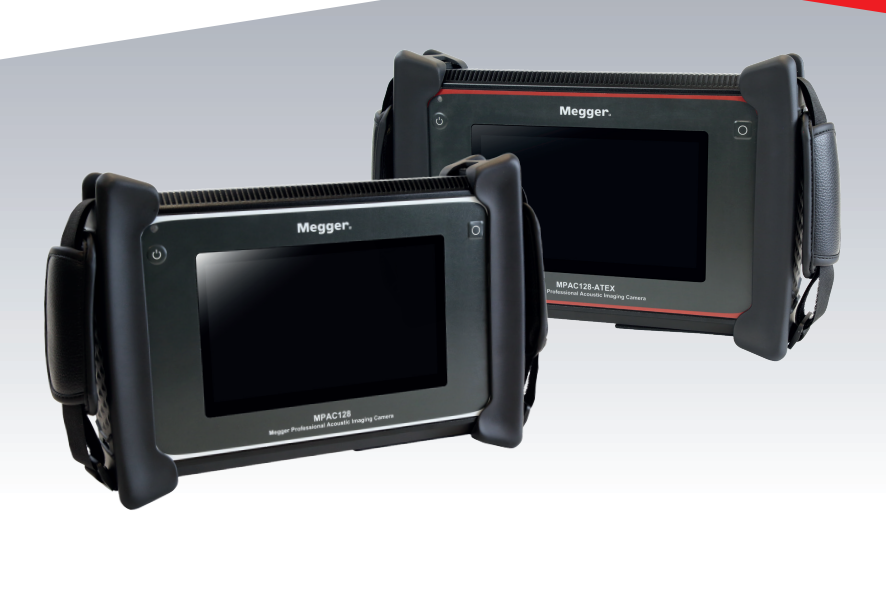
Acoustic Imager Camera MPAC128
Price 2000898.0 INR / Piece
Minimum Order Quantity : 1 Piece
Color : Black
Material : Plastic
Size : Standard

Adiradh Energy Pvt Ltd
GST : 36AASCA0235C1Z0
GST : 36AASCA0235C1Z0
15-29-887/C2, Road No.2, KPHB Colony, Kukatpally,Hyderabad - 500072, Telangana, India
Phone :08071931979
 Send Inquiry
- TRANSFORMER AND SUBSTATION TESTING PRODUCTS
- Transformer And Substation Testing Products
- Cable Fault Location And High Voltage Test System
- Power Protection And Switchgear Test Equipment
- Electrical Safety And Transmission Line Test
- Thermal Imaging And Temperature Measurement
- Motor And Generator Testing Equipment
- Insulation Resistance Tester
- Partial Discharge
- Battery Testing Instrument
- Laser Distance Meter
- Environmental Tester
- Distance Meter
- Thermal Imaging Camera
- Digital Clamp Meter
- Transmission Line And Tower Inspection Products
- Insulation Tester
- Omron Products
- Bosch Distance Meter
- Electrical Test And Measuring Instrument
 Send Inquiry
 Send SMS
 Call Me Free
Adiradh Energy Pvt Ltd
All Rights Reserved.(Terms of Use)
Developed and Managed by Infocom Network Private Limited.
Developed and Managed by Infocom Network Private Limited.

