

Call us now
08071931979
Two-Channel Time Domain Reflectometer - TDR 2010
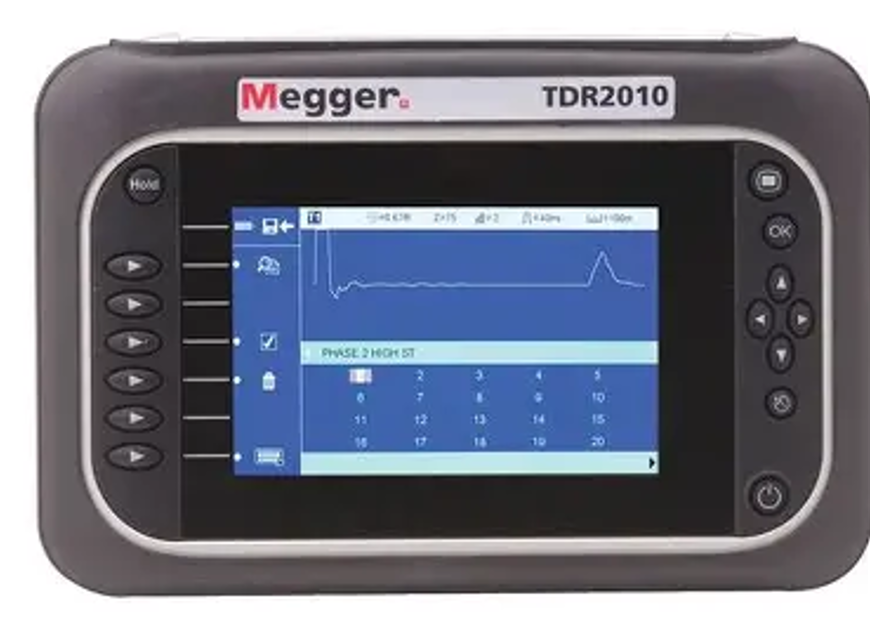
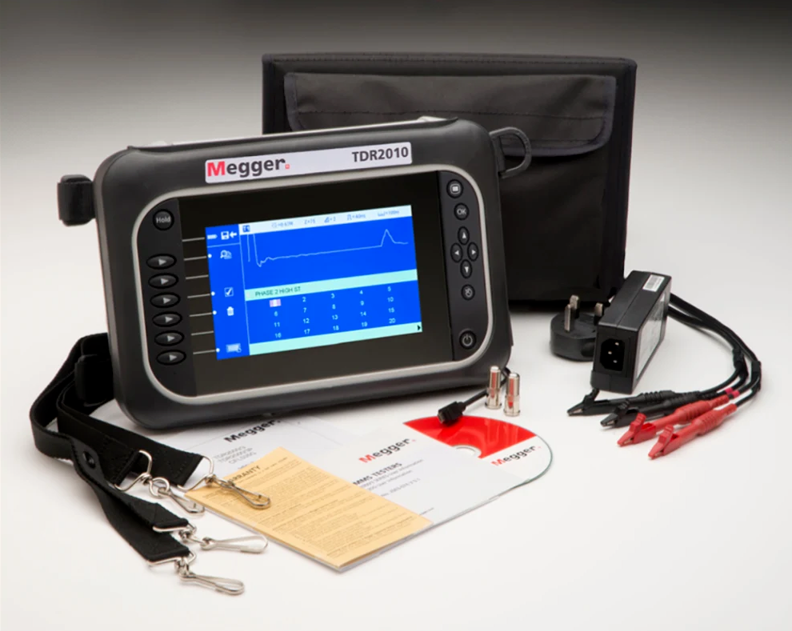

Two-Channel Time Domain Reflectometer - TDR 2010 Specification
- Batteries Type
- Rechargeable Li-Ion
- Accuracy
- 1% of reading
- Pressure
- Ambient
- Resistant Feature
- Dust and Splash Resistant
- Usage & Applications
- Cable fault location, cable length measurement, telecommunications, power cable diagnostics
- Product Type
- Two-Channel Time Domain Reflectometer (TDR 2010)
- Material
- ABS Engineering Plastic
- Measuring Voltage Range
- Up to 500 V
- Operating Temperature
- -10C to +50C
- Frequency (MHz)
- Up to 100 MHz
- Insulation Box
- Yes
- Protection System
- IP54-rated housing
- Size
- Handheld
- Color
- Yellow and Black
- Dimension (L*W*H)
- 250 mm 120 mm 60 mm
- Weight
- 1.2 kg
- Environmental Compliance
- RoHS Compliant
- Safety Standard
- IEC 61010-1
- Data Storage
- Up to 1000 test results
- Auto Fault Location
- Yes
- Test Pulse Amplitude
- Up to 25 V
- Input Impedance
- 50 / 75 selectable
- Maximum Cable Length Detection
- Up to 20 km (dependent on cable type)
- Channels
- 2 independent channels
- Pulse Width
- 1 ns to 5 s adjustable
- Power Supply
- Universal AC Adapter or Battery
- Interface
- USB for data transfer
- Display Type
- High contrast backlit LCD
Two-Channel Time Domain Reflectometer - TDR 2010 Trade Information
- Minimum Order Quantity
- 1 Piece
- Payment Terms
- Cash in Advance (CID)
- Supply Ability
- 10 Pieces Per Month
- Delivery Time
- 10 Days
- Main Domestic Market
- All India
Two-Channel Time Domain Reflectometer - TDR 2010 About
The TDR 2010 is an advanced dual-channel time domain reflectometer designed for accurate and rapid fault location in power, control, and telecom cables. It allows simultaneous monitoring of two cable lines, making fault detection and comparison faster and more reliable. With a high-resolution display and adjustable velocity of propagation (VOP), it provides precise measurement of open, short, and impedance faults. Its rugged, portable design makes it ideal for utilities, industrial maintenance teams, and EPC contractors for on-site troubleshooting.
Key Features-
Dual-channel measurement for simultaneous cable monitoring or trace comparison
-
High-resolution color display with clear waveform visualization
-
Adjustable VOP for different cable types
-
Detects open circuits, short circuits, and impedance faults
-
Non-destructive low-voltage pulse testing
-
Portable and rugged design for field operations
-
Data storage for trace records (model-dependent)
-
Underground and overhead power cable fault location
-
Control and instrumentation cable troubleshooting
-
Telecom and communication cable diagnostics
-
Industrial cable maintenance and testing
-
Utility and EPC field operations
Accurate Fault Detection and Cable Analysis
The TDR 2010's advanced pulse technology, with adjustable pulse width from 1 nanosecond to 5 seconds and amplitude up to 25 volts, ensures precise identification and location of cable faults. The unit's high resolution, supporting up to 20 km cable length measurement, makes it perfect for telecom and power diagnostics. Automatic fault location enhances efficiency and accuracy for technicians.
Robust and User-Friendly Design
Engineered from ABS engineering plastic, the TDR 2010 is both lightweight and highly durable. Its IP54-rated housing provides resistance to dust and splashes, ensuring reliable operation in challenging environments. The high contrast, backlit LCD display enhances visibility in the field, while portable dimensions and a rechargeable Li-Ion battery maximize user convenience and autonomy.
FAQ's of Two-Channel Time Domain Reflectometer - TDR 2010:
Q: How does the TDR 2010 help in locating cable faults efficiently?
A: The TDR 2010 utilizes adjustable test pulses and high-speed signal analysis across two independent channels to quickly detect and pinpoint cable faults. Its automatic fault location function and precise measurement features streamline troubleshooting, reducing downtime in telecommunications and power cable systems.Q: What types of cables can be tested with this reflectometer?
A: The device supports testing of a broad range of cable types, with selectable 50 and 75 input impedance, making it suitable for telecommunications, coaxial, and power cable diagnostics. Its maximum detection range of 20 km depends on the specific cable's characteristics.Q: When should I use the dual channel function?
A: The dual channel feature is ideal when comparing two cables simultaneously, monitoring different sections, or conducting parallel tests to save time. This function improves workflow efficiency, especially during large-scale infrastructure maintenance or diagnostics.Q: Where is the stored test data accessible and how is it transferred?
A: Test results are saved within the device (up to 1000 results) and can be effortlessly transferred via USB interface to a computer for analysis, reporting, or archiving, ensuring convenient data management.Q: What is the benefit of the TDR 2010's environmental and safety compliance?
A: The TDR 2010 meets IEC 61010-1 safety standards and is RoHS compliant, ensuring user safety and environmental responsibility. Its robust IP54 enclosure protects internal components, prolonging the instrument's lifespan and providing reliable measurements in tough environments.Q: How do the adjustable pulse features enhance test versatility?
A: With an adjustable test pulse width from 1 ns to 5 s and selectable amplitude up to 25 V, the TDR 2010 is versatile for various cable lengths and conditions. This flexibility helps optimize fault location accuracy based on cable type and testing requirements.Tell us about your requirement

Price:
Quantity
Select Unit
- 50
- 100
- 200
- 250
- 500
- 1000+
Additional detail
Mobile number
Email

More Products in Cable Fault Location And High Voltage Test System Category
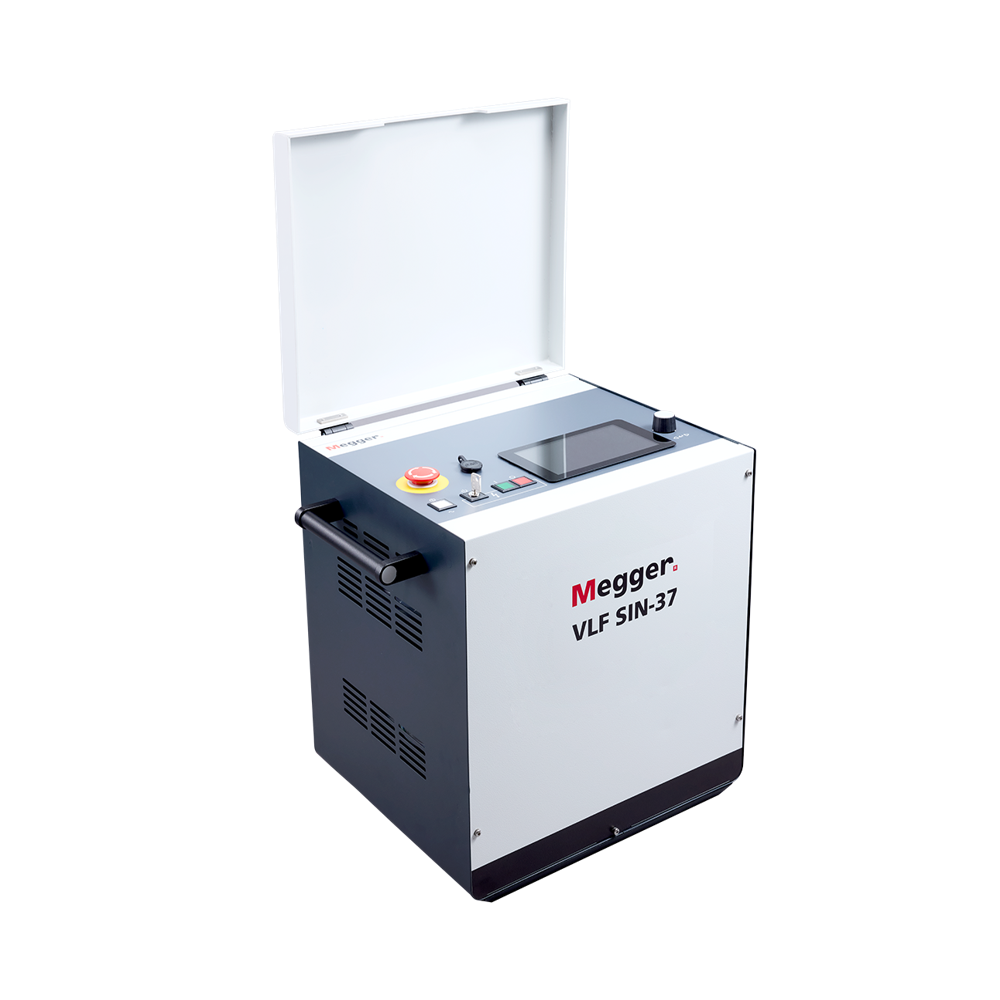
VLF Sine Wave High Voltage Test Set 37 kV
Minimum Order Quantity : 1 Piece
Size : Portable, compact
Color : Grey & blue
Product Type : VLF Sine Wave High Voltage Test Set
Material : Metal body with ABS insulation covers
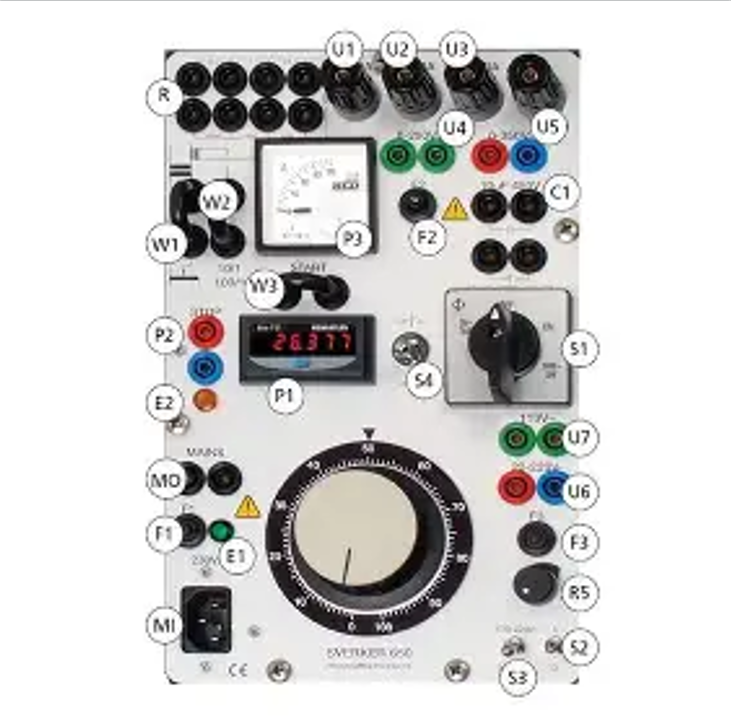
Sverker 650 Single Phase Relay Test Set
Price 1299990.0 INR / Piece
Minimum Order Quantity : 1 Piece
Size : Portable
Color : Blue & Grey
Product Type : Single Phase Relay Test Set
Material : Metal and ABS housing
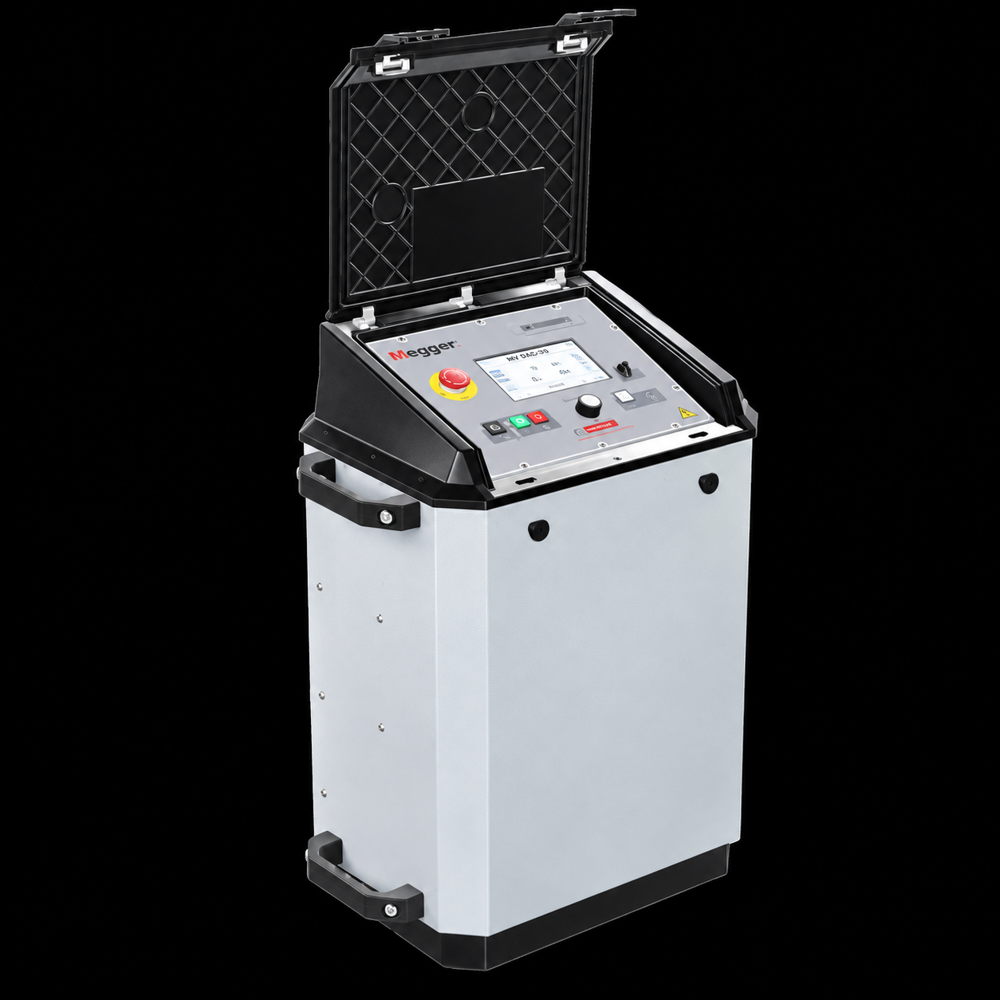
M-Thump5 Cable Fault Location System
Price 2500000.0 INR / Piece
Minimum Order Quantity : 1 Piece
Size : Portable, trolleystyle unit
Color : Grey/Black with control panel display
Product Type : Cable Fault Location System
Material : Robust industrialgrade plastic & reinforced metal housing
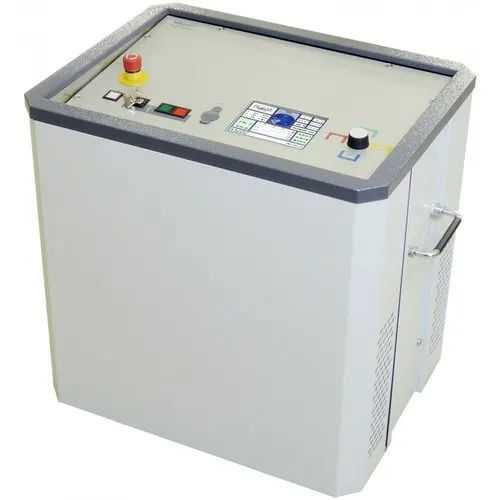
VLF Cable Test System
Price 291099 INR / Unit
Minimum Order Quantity : 1 Unit
Size : Customerized
Color : Black
Product Type : VLF Cable Test System
Material : Electric

Adiradh Energy Pvt Ltd
GST : 36AASCA0235C1Z0
GST : 36AASCA0235C1Z0
15-29-887/C2, Road No.2, KPHB Colony, Kukatpally,Hyderabad - 500072, Telangana, India
Phone :08071931979
 Send Inquiry
- TRANSFORMER AND SUBSTATION TESTING PRODUCTS
- Transformer And Substation Testing Products
- Cable Fault Location And High Voltage Test System
- Power Protection And Switchgear Test Equipment
- Electrical Safety And Transmission Line Test
- Thermal Imaging And Temperature Measurement
- Motor And Generator Testing Equipment
- Insulation Resistance Tester
- Partial Discharge
- Battery Testing Instrument
- Laser Distance Meter
- Environmental Tester
- Distance Meter
- Thermal Imaging Camera
- Digital Clamp Meter
- Transmission Line And Tower Inspection Products
- Insulation Tester
- Omron Products
- Bosch Distance Meter
- Electrical Test And Measuring Instrument
 Send Inquiry
 Send SMS
Adiradh Energy Pvt Ltd
All Rights Reserved.(Terms of Use)
Developed and Managed by Infocom Network Private Limited.
Developed and Managed by Infocom Network Private Limited.

