

Call us now
08071931979
Sverker 650 Single Phase Relay Test Set
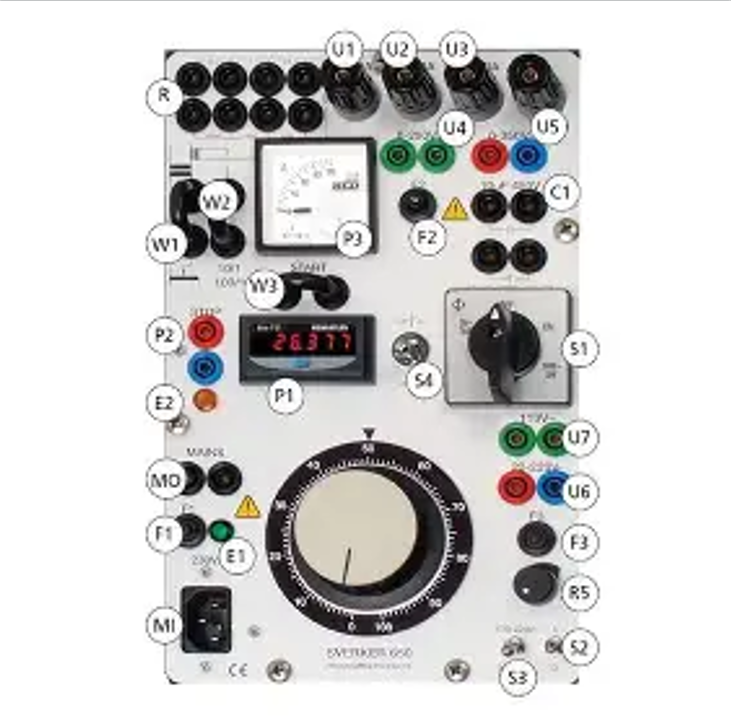
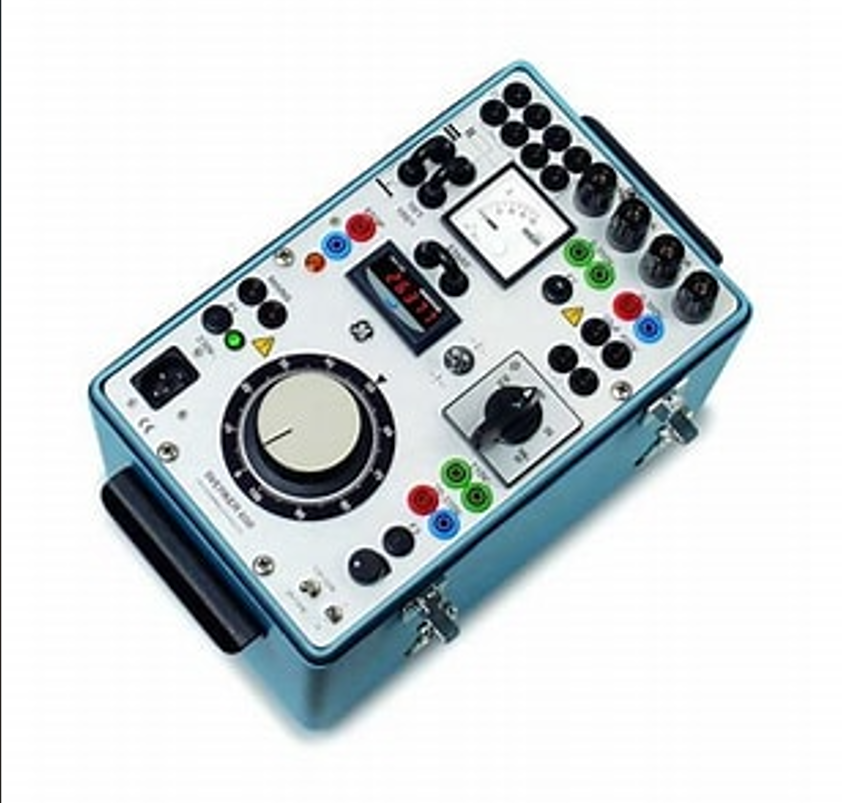
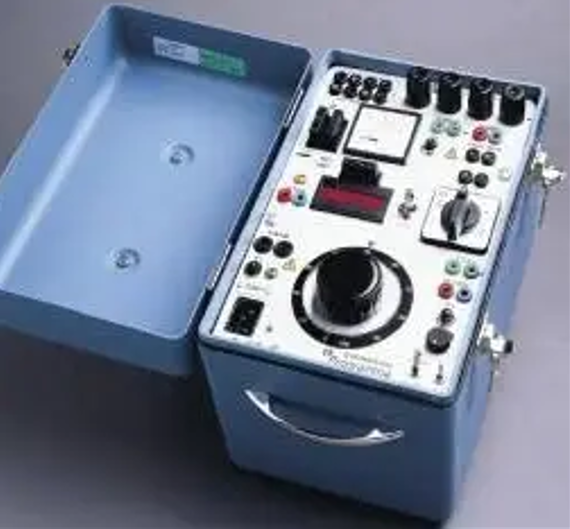
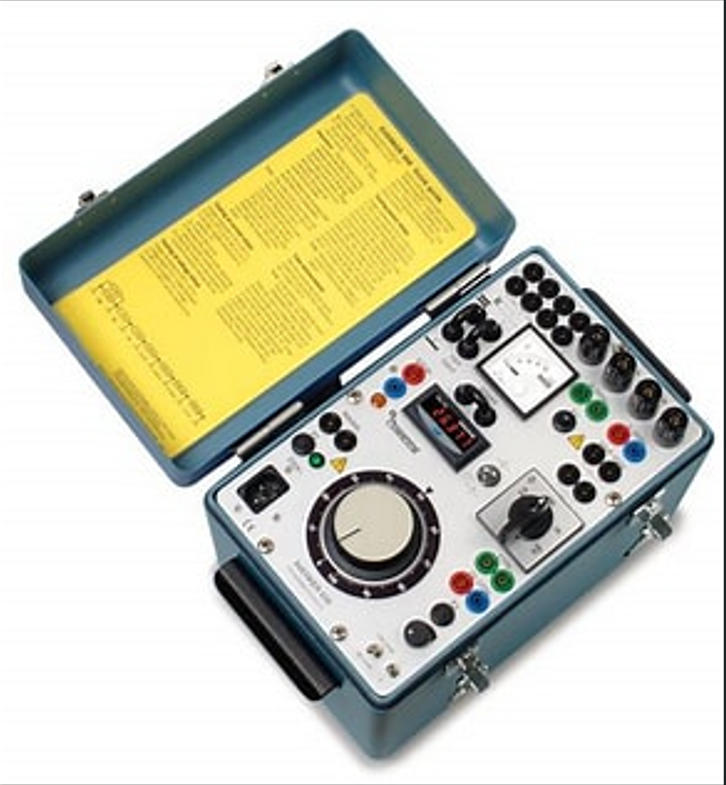

Sverker 650 Single Phase Relay Test Set Specification
- Resistant Feature
- Shock-resistant and robust design
- Batteries Type
- Not Battery Powered
- Usage & Applications
- Testing single phase protection relays, circuit breakers, and other electrical test applications
- Accuracy
- High precision output voltage and current (+/- 0.5%)
- Product Type
- Single Phase Relay Test Set
- Material
- Metal and ABS housing
- Measuring Voltage Range
- 0-250 V AC/DC
- Operating Temperature
- 0C to +45C
- Frequency (MHz)
- 50/60 Hz
- Insulation Box
- Yes
- Protection System
- Overload and Short Circuit Protection
- Size
- Portable
- Color
- Blue & Grey
- Dimension (L*W*H)
- 420 mm x 230 mm x 340 mm
- Weight
- Approx. 17 kg
- Display
- Digital display for voltage, current, and time
- Timer Function
- Built-in, up to 999.99 s
- Cooling
- Internal fan cooled for extended operation
- Data Output
- Analog and digital outputs for results monitoring
- Output Current Range
- 0-100 A (adjustable)
- Control Type
- Manual and Automatic Modes
- Safety Feature
- Emergency Stop, Isolated Output
- Connections
- 4 mm safety sockets
- Output Voltage
- 0-250 V AC (adjustable)
- Compliance
- IEC 61010-1
- Input Power
- 230 V AC, 50/60 Hz
Sverker 650 Single Phase Relay Test Set Trade Information
- Minimum Order Quantity
- 1 Piece
- Payment Terms
- Cash in Advance (CID)
- Supply Ability
- 10 Pieces Per Month
- Delivery Time
- 10 Days
- Main Domestic Market
- All India
Sverker 650 Single Phase Relay Test Set About
Sverker 650 is a singlephase relay test set designed for secondary injection testing of protective relays and substation equipment. Its widely used in highvoltage substations and industrial environments to test protective relays (current, voltage, overcurrent, etc.) without requiring complex setups.Application & Usage
-
Designed for testing protective relays in substations and industrial power systems.
-
Suitable for primary and secondary injection testing of most singlephase protection relays.
Versatile Testing Capabilities
The Sverker 650 is designed for comprehensive testing of single phase relays and circuit breakers. Its adjustable output current and voltage ranges make it suitable for a wide array of applications in electrical substations, manufacturing sites, and maintenance operations. Both manual and automatic control modes add adaptability to different test requirements.
Precision and Safety in One Device
With its high-precision outputs (0.5% accuracy) and compliance with IEC 61010-1, the Sverker 650 ensures accurate results while maintaining stringent international safety standards. The built-in emergency stop, overload protection, and short circuit protection give users confidence during extended testing sessions.
Robust and Portable Construction
Housed in a metal and ABS casing, the Sverker 650 is both shock-resistant and durable. Its compact, fan-cooled design makes it easy to transport and operate in various environments, including on-site locations and laboratories, without the need for batteries. The device weighs approximately 17 kg and features ergonomic 4 mm safety sockets for hassle-free connections.
FAQ's of Sverker 650 Single Phase Relay Test Set:
Q: How do I operate the Sverker 650 Single Phase Relay Test Set?
A: To operate the Sverker 650, simply connect your device under test to the 4 mm safety sockets on the test set. Select the desired operating mode-manual or automatic-using the control interface. Adjust the output current (0-100 A) and voltage (0-250 V AC) as required. You can monitor real-time values on the digital display and use the built-in timer for precise test durations.Q: What are the key applications of the Sverker 650 Test Set?
A: The Sverker 650 is commonly used for testing single phase protection relays, circuit breakers, and other electrical protection devices. It is suitable for utilities, power distribution companies, service engineers, and testers dealing with electrical safety and maintenance across India.Q: When should I use the built-in emergency stop feature?
A: The emergency stop should be activated immediately if you detect unsafe conditions or a potential hazard during testing. This feature quickly disconnects the output for maximum operator safety without needing to power down the entire system.Q: Where can the Sverker 650 be used effectively?
A: Its portability and robust design make the Sverker 650 ideal for use in substations, electrical workshops, maintenance departments, and field sites across India. Its shock-resistant housing and internal cooling fan ensure reliable operation in rugged conditions.Q: What process should I follow for the device's safety and calibration?
A: Before each use, inspect the device and test leads for visible damage. Ensure all connections are secure using the 4 mm safety sockets. Periodically calibrate the instrument according to the manufacturer's guidelines to maintain its 0.5% accuracy. Always employ the overload and short circuit protection features for safe operation.Q: How does the data output work for monitoring test results?
A: The Sverker 650 provides both analog and digital outputs for monitoring test results. This flexibility allows seamless integration with external recording devices or computer systems for documenting test data during relay and circuit breaker testing.Q: What benefits does the Sverker 650 offer over similar products?
A: Its high accuracy, versatile output settings, compliance with international safety standards, and robust portable design make it a top choice for professionals. The emergency stop, overload and short circuit protection, and dual operation modes provide both safety and convenience, enhancing the overall efficiency and reliability of testing procedures.Tell us about your requirement

Price:
Quantity
Select Unit
- 50
- 100
- 200
- 250
- 500
- 1000+
Additional detail
Mobile number
Email

More Products in Cable Fault Location And High Voltage Test System Category
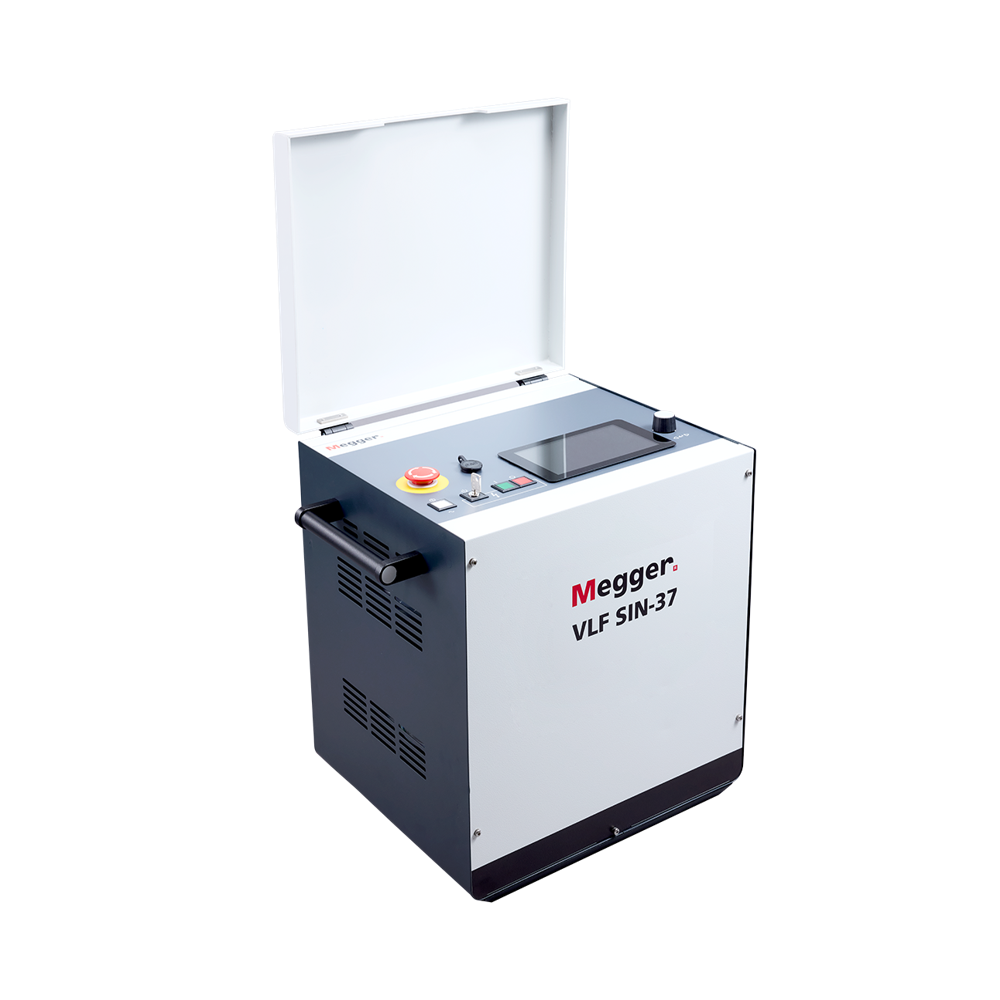
VLF Sine Wave High Voltage Test Set 37 kV
Minimum Order Quantity : 1 Piece
Frequency (MHz) : 0.1 Hz, 0.05 Hz, 0.02 Hz adjustable
Product Type : VLF Sine Wave High Voltage Test Set
Material : Metal body with ABS insulation covers
Color : Grey & blue
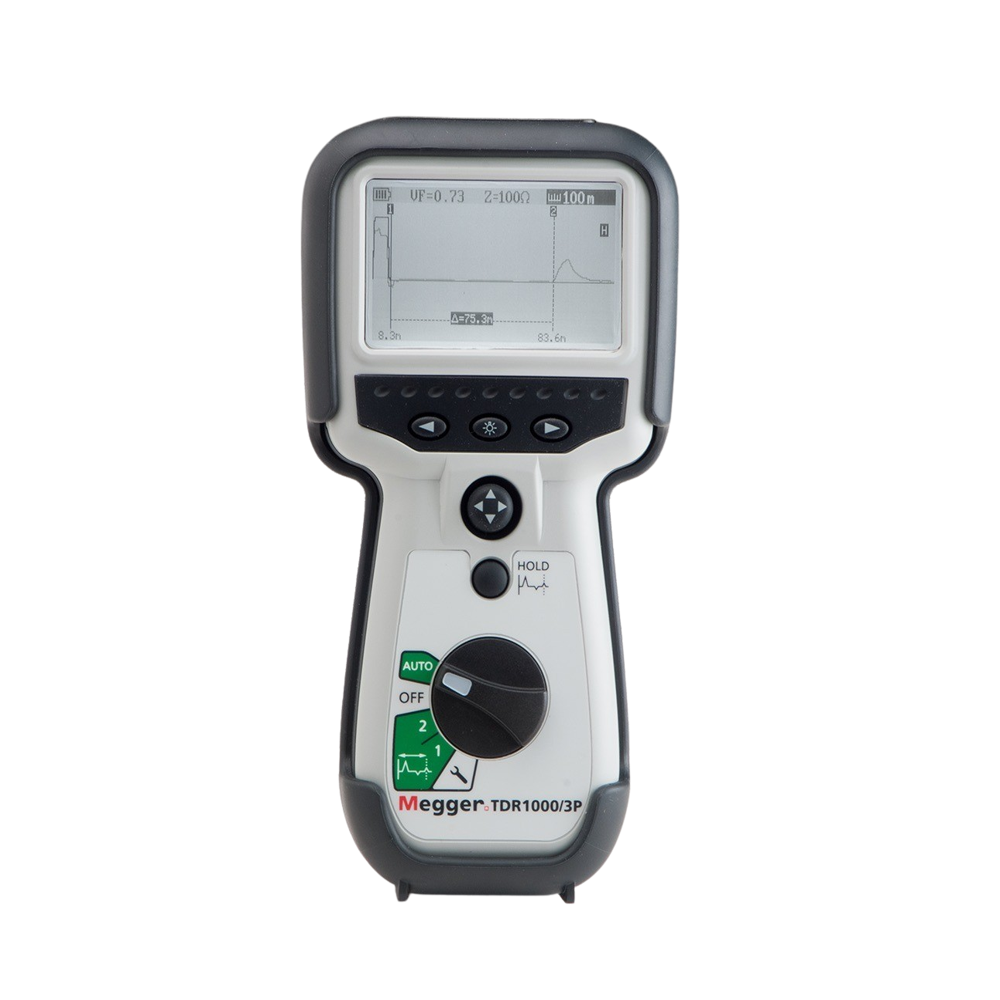
Handheld Time Domain Reflectometer - TDR 1000/3P
Price 360000.0 INR / Piece
Minimum Order Quantity : 1 Piece
Frequency (MHz) : 2 to 20 MHz (Pulse)
Product Type : Handheld Time Domain Reflectometer
Material : ABS Plastic Body
Color : Gray/Blue
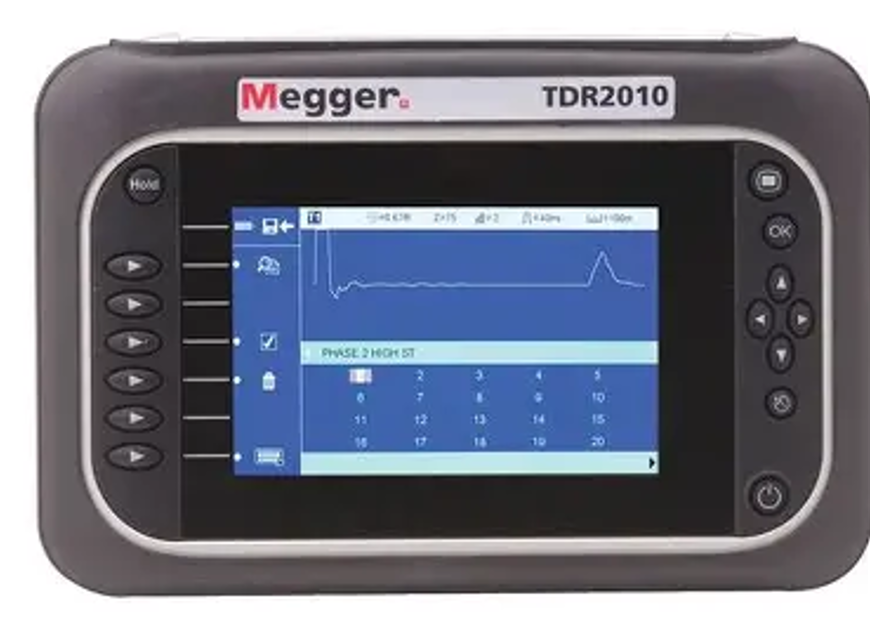
Two-Channel Time Domain Reflectometer - TDR 2010
Price 549998.0 INR / Piece
Minimum Order Quantity : 1 Piece
Frequency (MHz) : Up to 100 MHz
Product Type : TwoChannel Time Domain Reflectometer (TDR 2010)
Material : ABS Engineering Plastic
Color : Yellow and Black
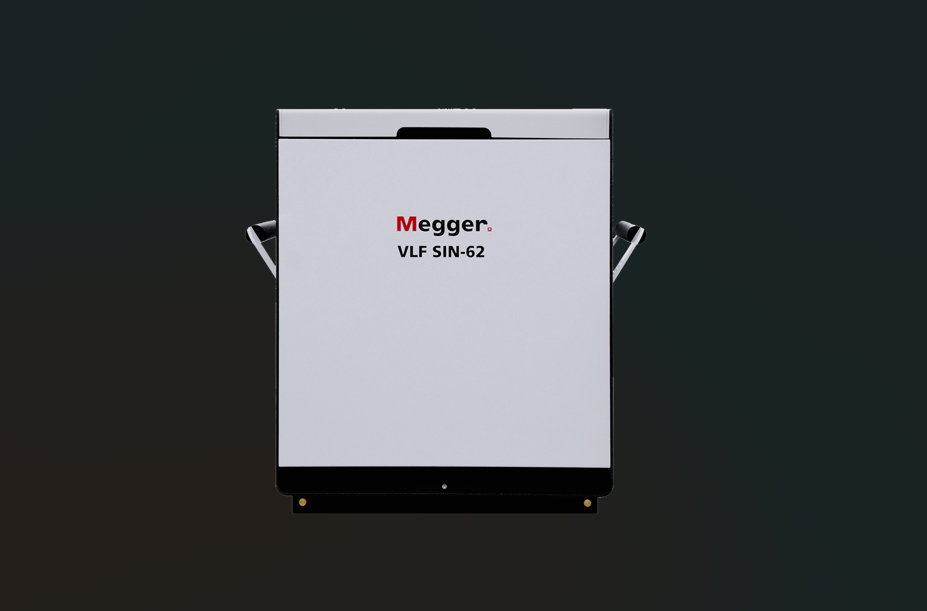
VLF Tan Delta Partial Discharge Kit 62 kV
Minimum Order Quantity : 1 Piece
Frequency (MHz) : 0.01 0.1 Hz (VLF output frequency)
Product Type : VLF Tan Delta Partial Discharge Kit
Material : Highimpact Industrial Grade Plastic and Metal
Color : Blue & Grey

Adiradh Energy Pvt Ltd
GST : 36AASCA0235C1Z0
GST : 36AASCA0235C1Z0
15-29-887/C2, Road No.2, KPHB Colony, Kukatpally,Hyderabad - 500072, Telangana, India
Phone :08071931979
 Send Inquiry
- TRANSFORMER AND SUBSTATION TESTING PRODUCTS
- Transformer And Substation Testing Products
- Cable Fault Location And High Voltage Test System
- Power Protection And Switchgear Test Equipment
- Electrical Safety And Transmission Line Test
- Thermal Imaging And Temperature Measurement
- Motor And Generator Testing Equipment
- Insulation Resistance Tester
- Partial Discharge
- Battery Testing Instrument
- Laser Distance Meter
- Environmental Tester
- Distance Meter
- Thermal Imaging Camera
- Digital Clamp Meter
- Transmission Line And Tower Inspection Products
- Insulation Tester
- Omron Products
- Bosch Distance Meter
- Electrical Test And Measuring Instrument
 Send Inquiry
 Send SMS
Adiradh Energy Pvt Ltd
All Rights Reserved.(Terms of Use)
Developed and Managed by Infocom Network Private Limited.
Developed and Managed by Infocom Network Private Limited.

