

Call us now
08071931979
Handheld Ohmmeter DLRO2
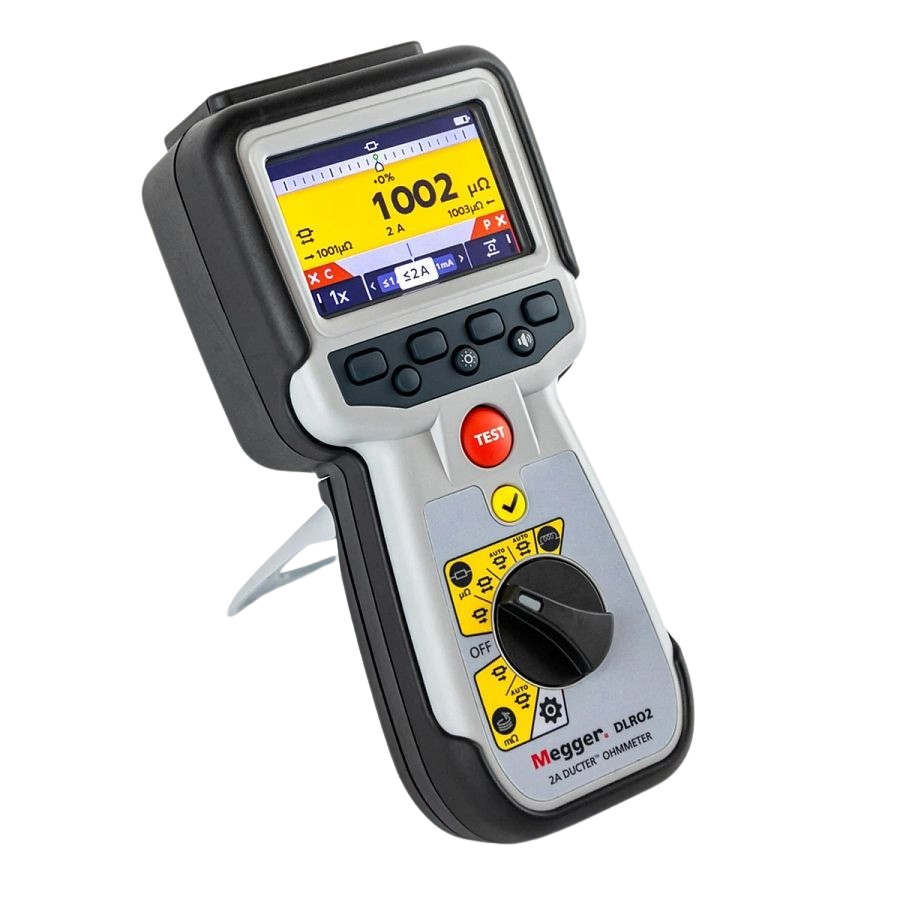
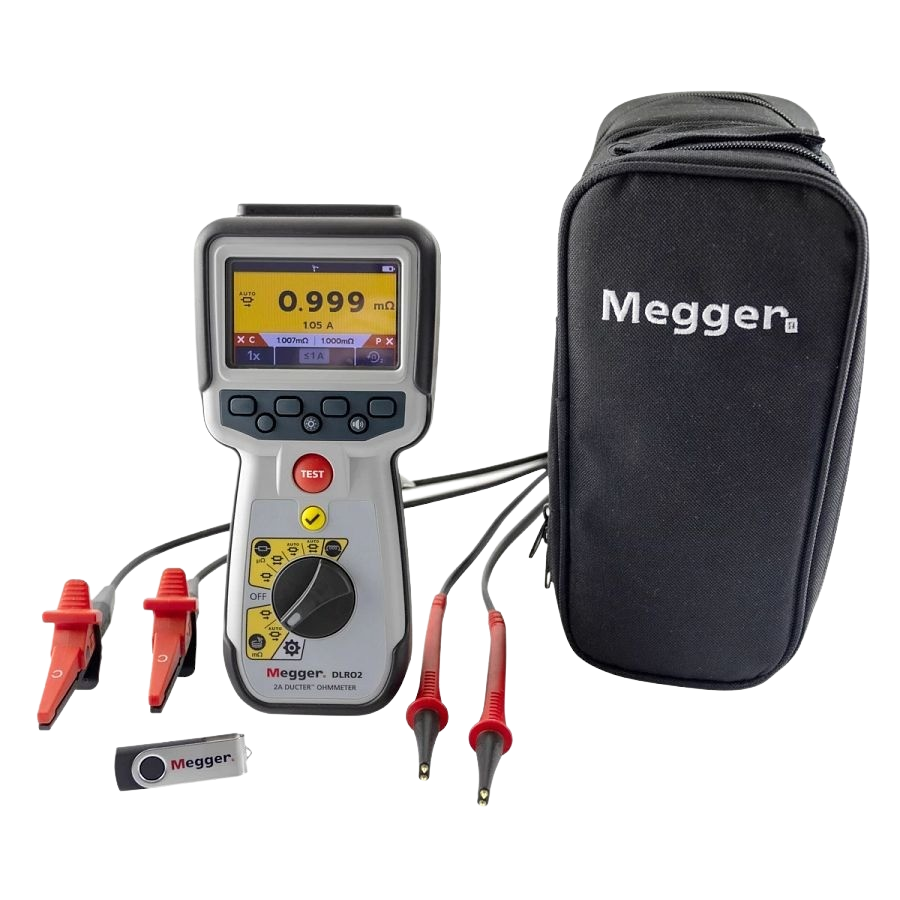
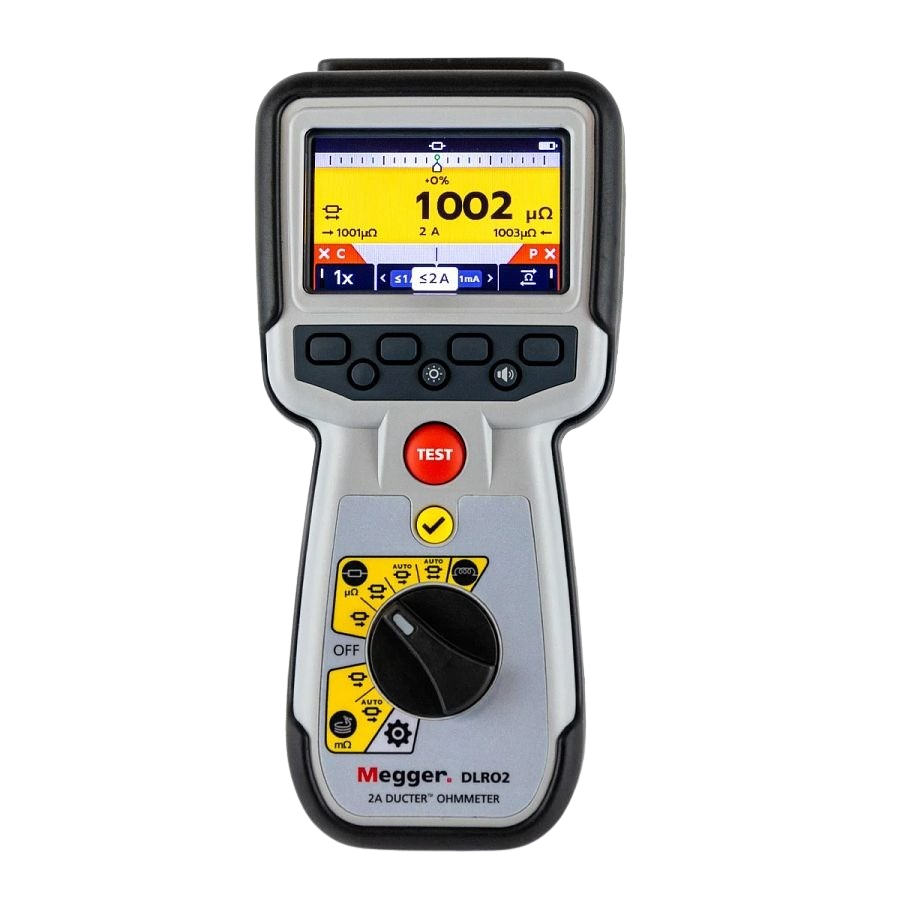
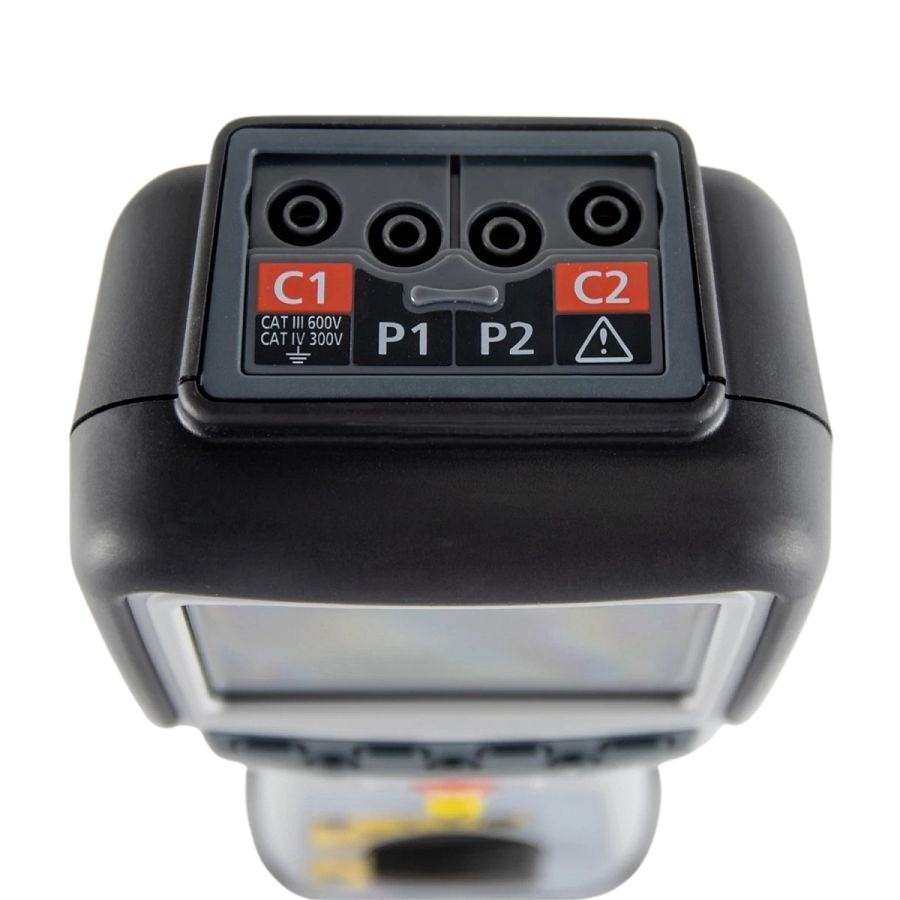

Handheld Ohmmeter DLRO2 Specification
- Application
- Low resistance measurement in utility, industrial and electrical maintenance environments
- Mounting Type
- Handheld
- Features
- Lightweight, rugged, auto-shutdown, easy to use
- Humidity
- Up to 80% RH (non-condensing)
- Resolution
- 0.1 m
- Automation Grade
- Manual
- Test Range
- 0.1 m to 2000
- Temperature
- Operating: 0C to +50C, Storage: -20C to +70C
- Response Time
- < 3 seconds
- Number of Specimens
- Single measurement
- Power Supply
- 6 x AA (LR6) alkaline or NiMH batteries
- Display Type
- Large backlit LCD
- Measuring Range
- 0.1 m to 2000
- Accuracy
- 0.2% of reading 2 digits
- Interface Type
- Terminal posts with insulated touch-proof connectors
- Usage
- Field and laboratory
- Machine Weight
- 1.2 kg (including batteries)
- Control Mode
- Manual
- Compliance Standards
- IEC 61010-1, CE Marked
- Lead Resistance Compensation
- Automatic (True 4-terminal measurement)
- Equipment Type
- Handheld Ohmmeter
- Battery Life
- Up to 1000 manual tests or 200 automated tests
- Test Current
- 1 A or 0.1 A selectable
- Protection Class
- IP54
- Safety Feature
- Test inhibit if hazardous voltage detected
- Overvoltage Category
- CAT III 300 V
- Dimensions
- 235 mm x 100 mm x 65 mm
- Data Storage
- Last test result retained
Handheld Ohmmeter DLRO2 Trade Information
- Minimum Order Quantity
- 1 Piece
- Payment Terms
- Cash in Advance (CID)
- Supply Ability
- 10 Pieces Per Month
- Delivery Time
- 10 Days
- Main Domestic Market
- All India
Handheld Ohmmeter DLRO2 About
The DLRO2 is a compact, entry-level digital micro-ohmmeter designed for precise measurement of low resistance in electrical equipment. Using a 4-wire Kelvin measurement method, it eliminates errors caused by lead resistance. Ideal for workshop and field applications, the DLRO2 is suitable for testing switchgear contacts, busbars, bonds, and cable joints up to 2A test current.
-
Compact, lightweight, and portable
-
Measures micro-ohm to kilo-ohm resistance accurately
-
Simple, user-friendly operation
-
Ideal for electrical maintenance and testing small-scale connections
-
Battery-operated for field use
-
Bonding and earthing resistance checks
-
Low-current switchgear and panel testing
-
Cable joint resistance verification
-
Maintenance of industrial and commercial electrical systems
Advanced Low Resistance Measurement
The DLRO2 Handheld Ohmmeter excels in low-resistance measurement tasks with a selectable test current of 1 A or 0.1 A, ensuring accuracy down to 0.1 m. Its true 4-terminal measurement compensates for lead resistance automatically, making it highly reliable for critical applications in utility, industrial, and electrical environments.
Robust and User-Friendly Design
Weighing just 1.2 kg with batteries and featuring an IP54 protection rating, the DLRO2 is engineered for rugged performance in demanding field and laboratory conditions. Its ergonomic, handheld construction and large backlit LCD guarantee ease of use and readability, even in low-light environments.
Safety and Compliance You Can Trust
With overvoltage protection (CAT III 300 V), auto shut-down, and hazardous voltage test inhibit, the DLRO2 ensures user safety at all times. Fully compliant with IEC 61010-1 and CE marked, it meets stringent international standards, providing confidence and peace of mind for every measurement.
FAQ's of Handheld Ohmmeter DLRO2:
Q: How does the DLRO2 ohmmeter compensate for lead resistance during measurements?
A: The DLRO2 employs true 4-terminal measurement technology, which automatically compensates for lead resistance by using separate current and potential cables. This ensures that measured values remain accurate, regardless of lead length or resistance.Q: What is the process for conducting a low resistance test with the DLRO2 handheld ohmmeter?
A: To conduct a test, connect the terminal posts with insulated touch-proof connectors to the specimen. Select your desired test current (1 A or 0.1 A) and press the manual control. The device will inhibit the test if hazardous voltage is present, then perform the measurement, displaying results on the backlit LCD within 3 seconds.Q: Where can the DLRO2 be best utilized for testing?
A: The DLRO2 is suitable for use in utility substations, industrial maintenance departments, and electrical workshops. Its rugged, IP54-rated case allows for reliable operation outdoors or in challenging field environments as well as in laboratory settings.Q: What are the main benefits of the DLRO2 for field engineers and technicians?
A: Benefits include high measurement accuracy (0.2% of reading + 2 digits), rapid response time, and extended battery life (up to 1000 manual tests). Its lightweight, compact design, superior safety features, and data retention capability enhance productivity and operational safety during fieldwork.Q: When should I replace the batteries in the DLRO2 ohmmeter?
A: The DLRO2 supports up to 1000 manual tests or 200 automated tests on a full set of 6 AA batteries. Replace the batteries when you notice reduced performance or after extended usage, especially if working with frequent or automated tests.Q: What compliance and protection standards does the DLRO2 meet?
A: The DLRO2 adheres to IEC 61010-1 safety standards, carries a CE mark, and provides overvoltage protection up to CAT III 300 V, ensuring both operational safety and compliance with international regulations.Q: How is the last measured result stored and retrieved on the DLRO2?
A: The DLRO2 automatically retains the last test result, which can be viewed on the large LCD even after the instrument is powered off, ensuring quick reference and data security for field and laboratory use.Tell us about your requirement

Price:
Quantity
Select Unit
- 50
- 100
- 200
- 250
- 500
- 1000+
Additional detail
Mobile number
Email

More Products in Power Protection And Switchgear Test Equipment Category
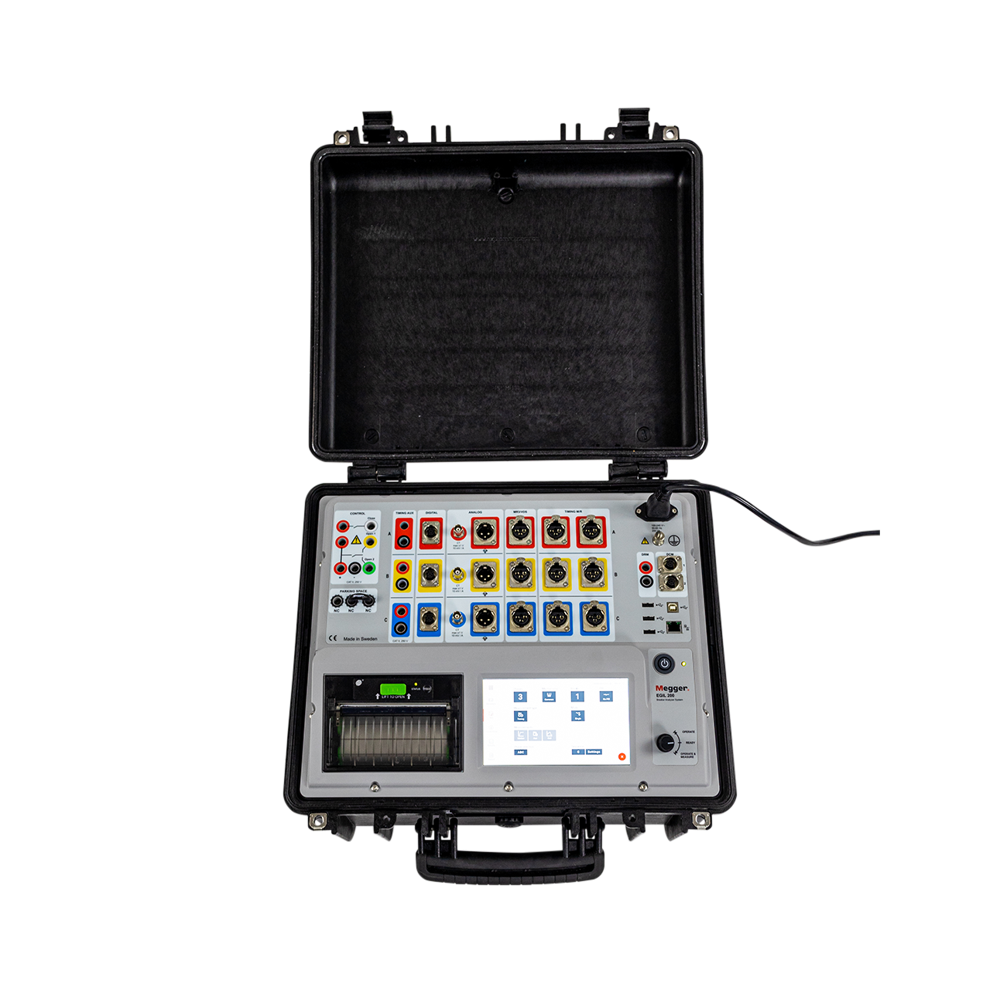
EGIL200 circuit breaker analyser
Price 3800500.0 INR / Piece
Minimum Order Quantity : 1 Piece
Usage : Circuit breaker testing
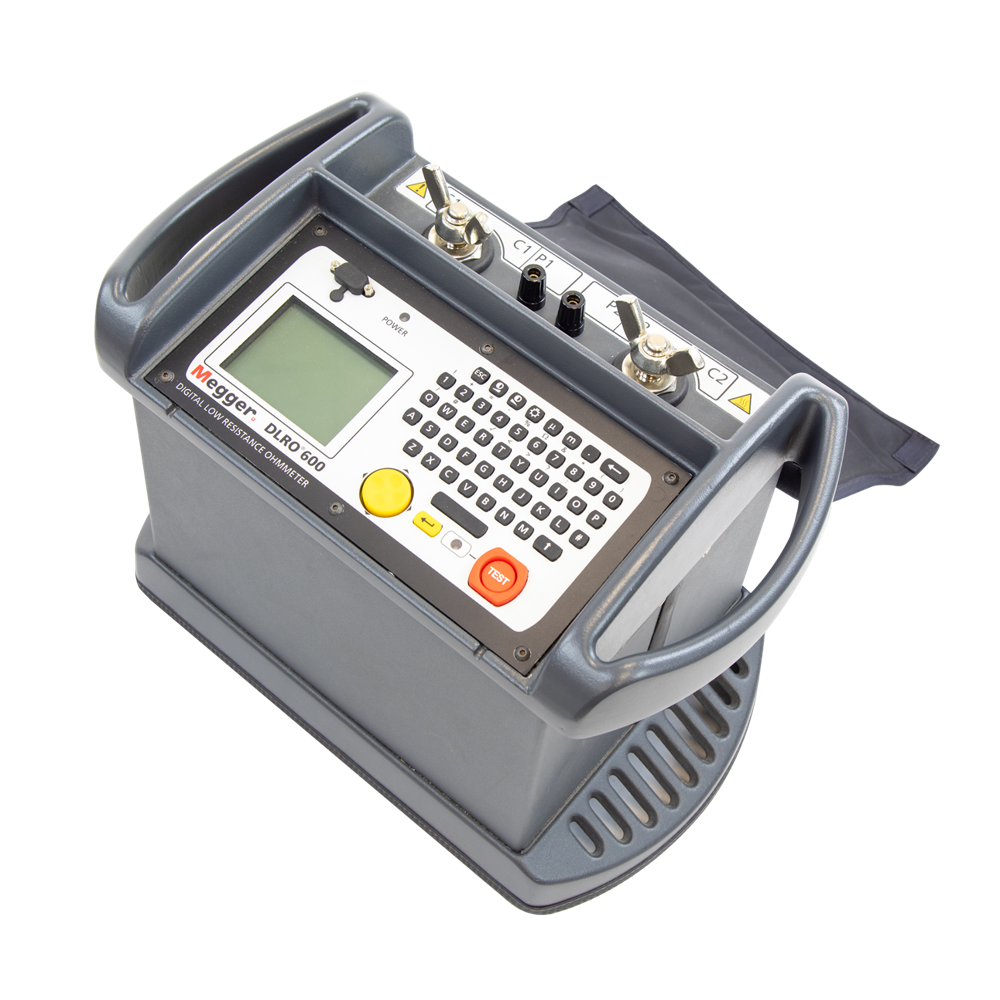
600 A Micro-Ohmmeter - DLRO 600
Price 2450000.0 INR / Piece
Minimum Order Quantity : 1 Piece
Usage : Measurement of very low resistance
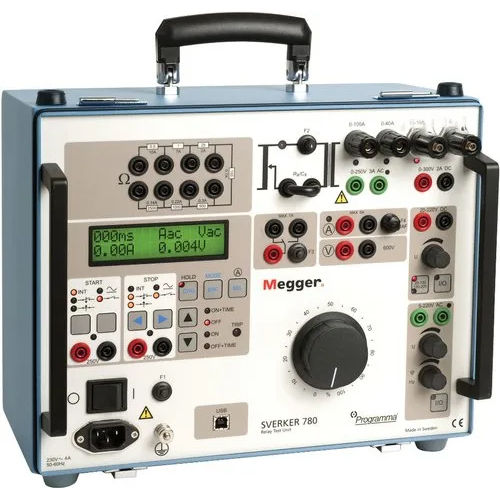
Sverker780 Single Relay Test Set
Price 1360000 INR / Piece
Minimum Order Quantity : 1 Piece
Usage : Industrial
Material : Electric
Color : White
Product Type : Sverker780 Single Relay Test Set
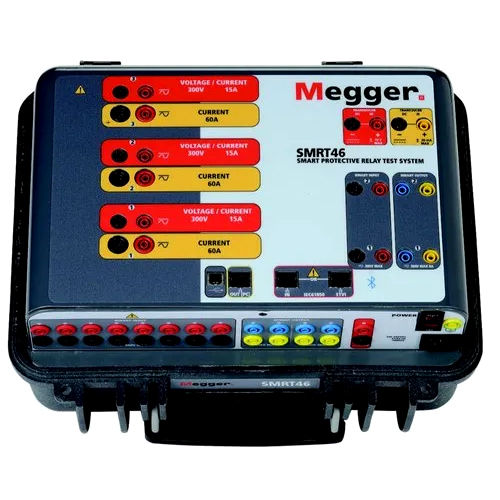
SMRT 46 Six Phase Relay Test Kit
Price 4900000 INR / Piece
Minimum Order Quantity : 1 Piece
Usage : Industrial
Material : Electric
Color : Blue
Product Type : SMRT 46 Six Phase Relay Test Kit

Adiradh Energy Pvt Ltd
GST : 36AASCA0235C1Z0
GST : 36AASCA0235C1Z0
15-29-887/C2, Road No.2, KPHB Colony, Kukatpally,Hyderabad - 500072, Telangana, India
Phone :08071931979
 Send Inquiry
- TRANSFORMER AND SUBSTATION TESTING PRODUCTS
- Transformer And Substation Testing Products
- Cable Fault Location And High Voltage Test System
- Power Protection And Switchgear Test Equipment
- Electrical Safety And Transmission Line Test
- Thermal Imaging And Temperature Measurement
- Motor And Generator Testing Equipment
- Insulation Resistance Tester
- Partial Discharge
- Battery Testing Instrument
- Laser Distance Meter
- Environmental Tester
- Distance Meter
- Thermal Imaging Camera
- Digital Clamp Meter
- Transmission Line And Tower Inspection Products
- Insulation Tester
- Omron Products
- Bosch Distance Meter
- Electrical Test And Measuring Instrument
 Send Inquiry
 Send SMS
Adiradh Energy Pvt Ltd
All Rights Reserved.(Terms of Use)
Developed and Managed by Infocom Network Private Limited.
Developed and Managed by Infocom Network Private Limited.

