

Call us now
08071931979
Single-Phase Relay Test Systems (SMRT1, SMRT 1D & SMRT 1B)
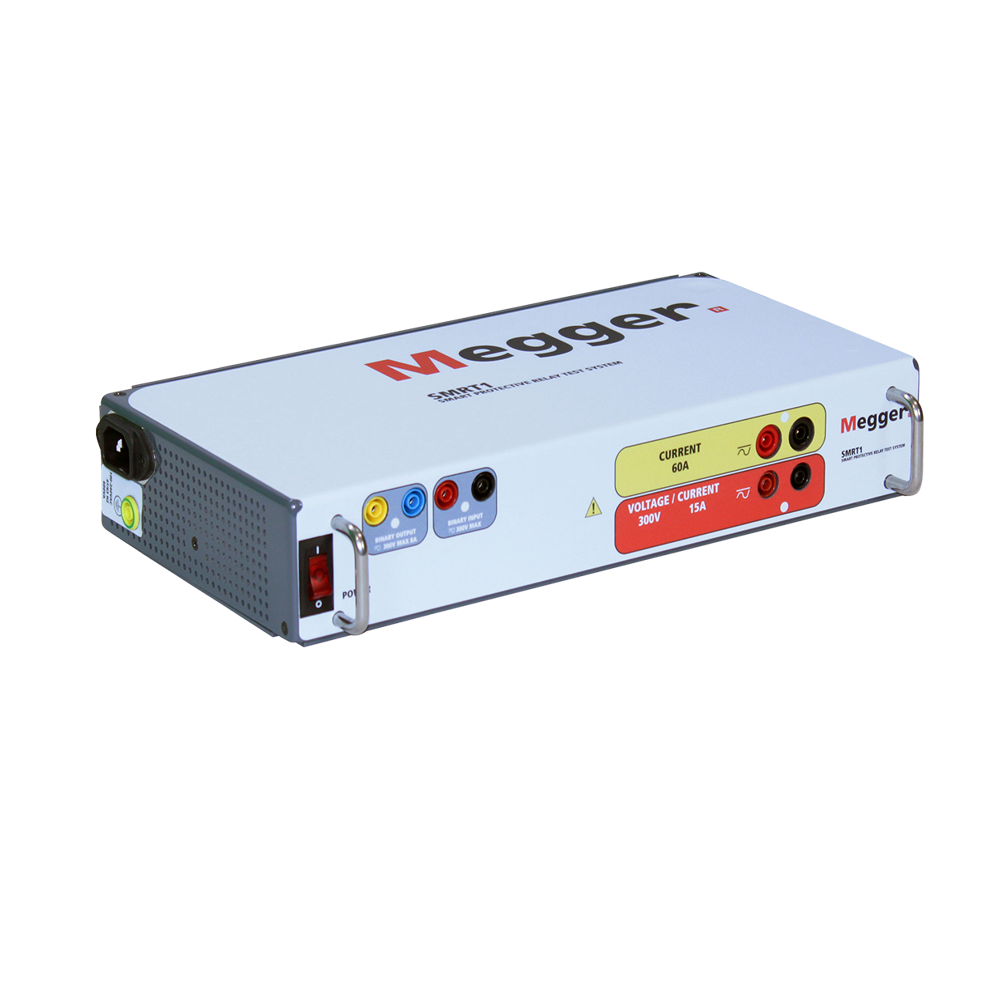
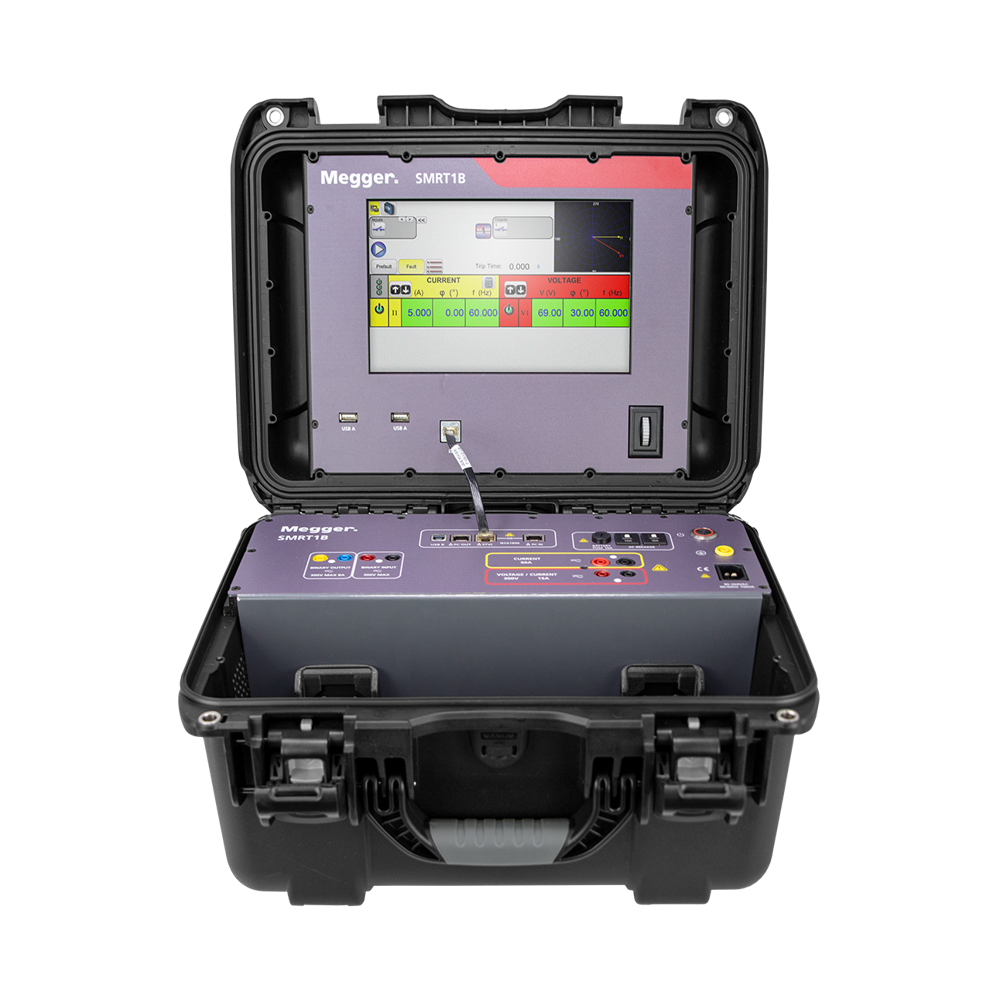
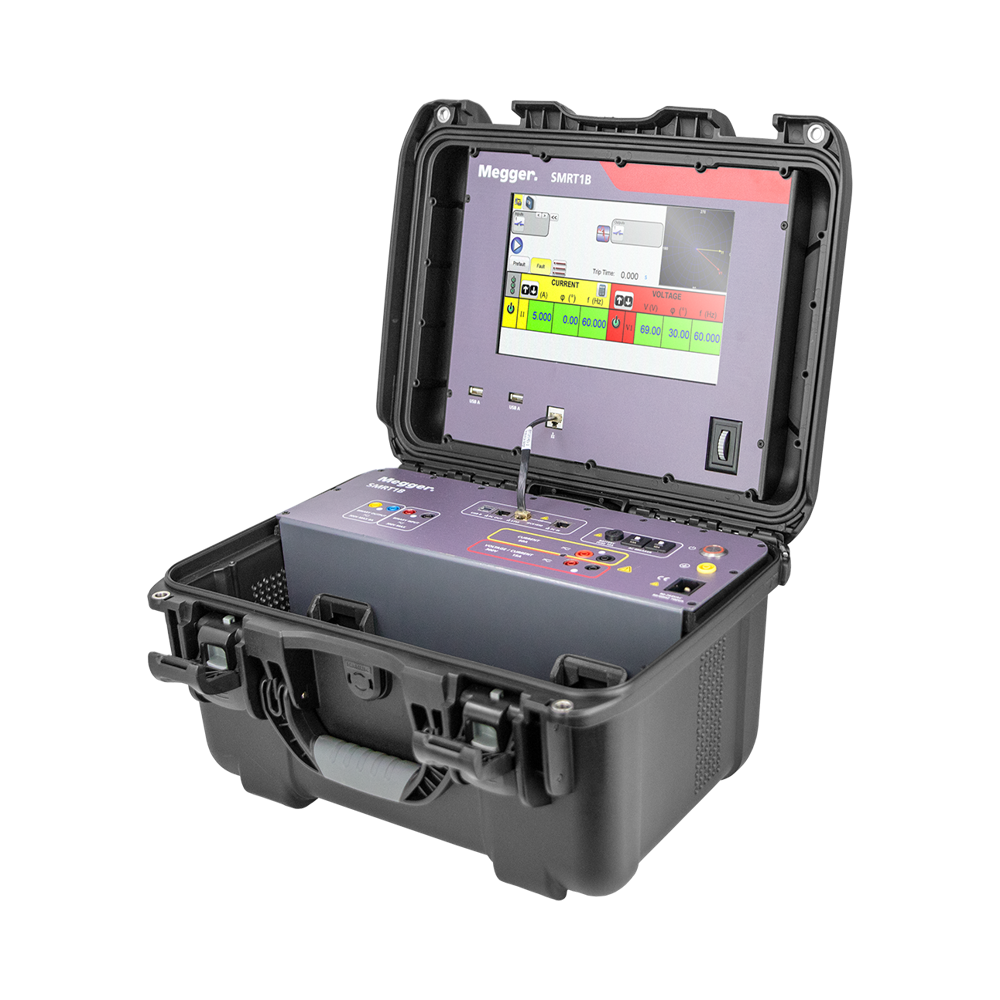
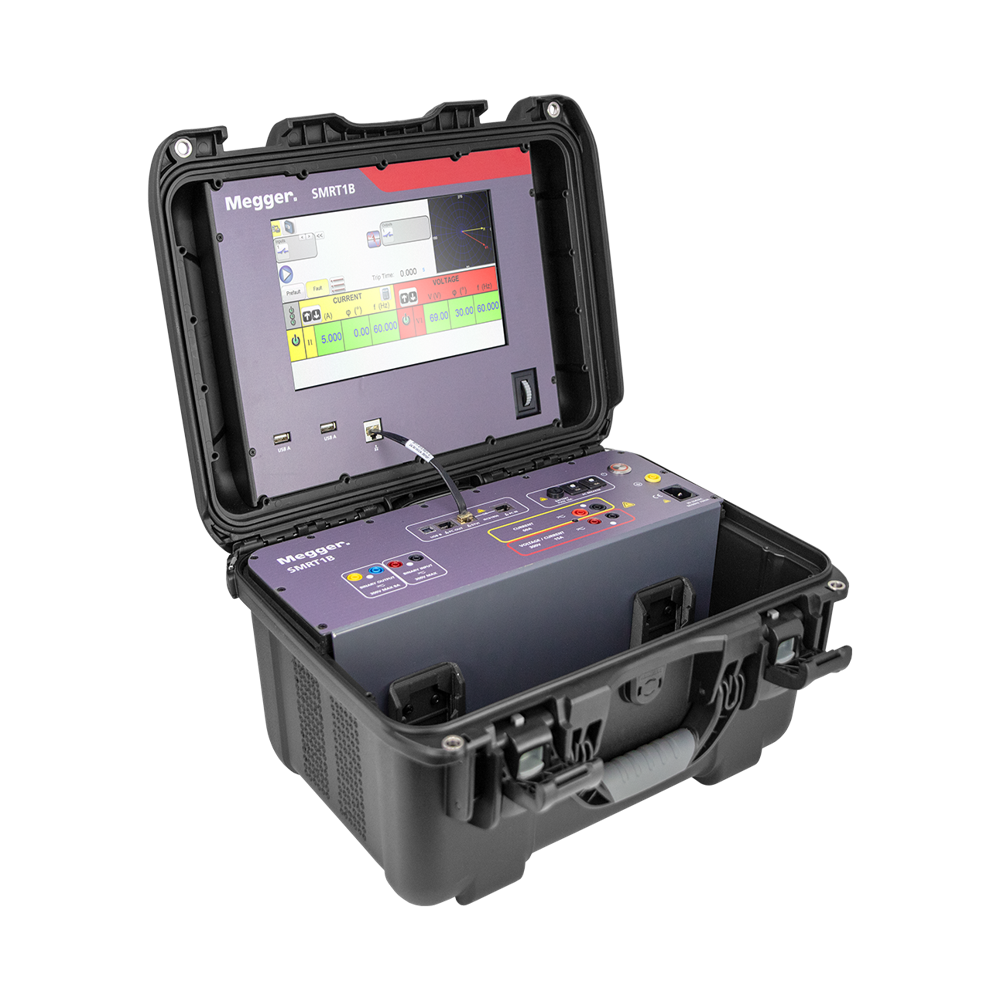
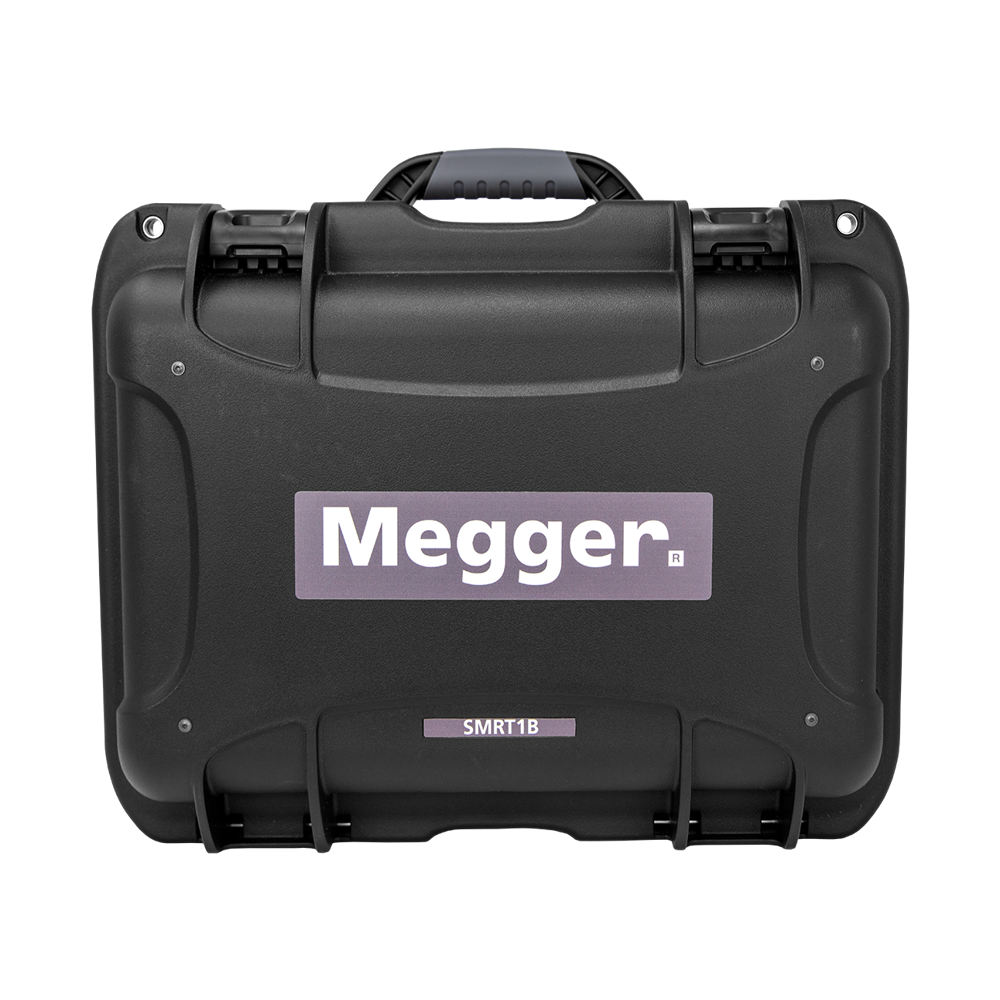
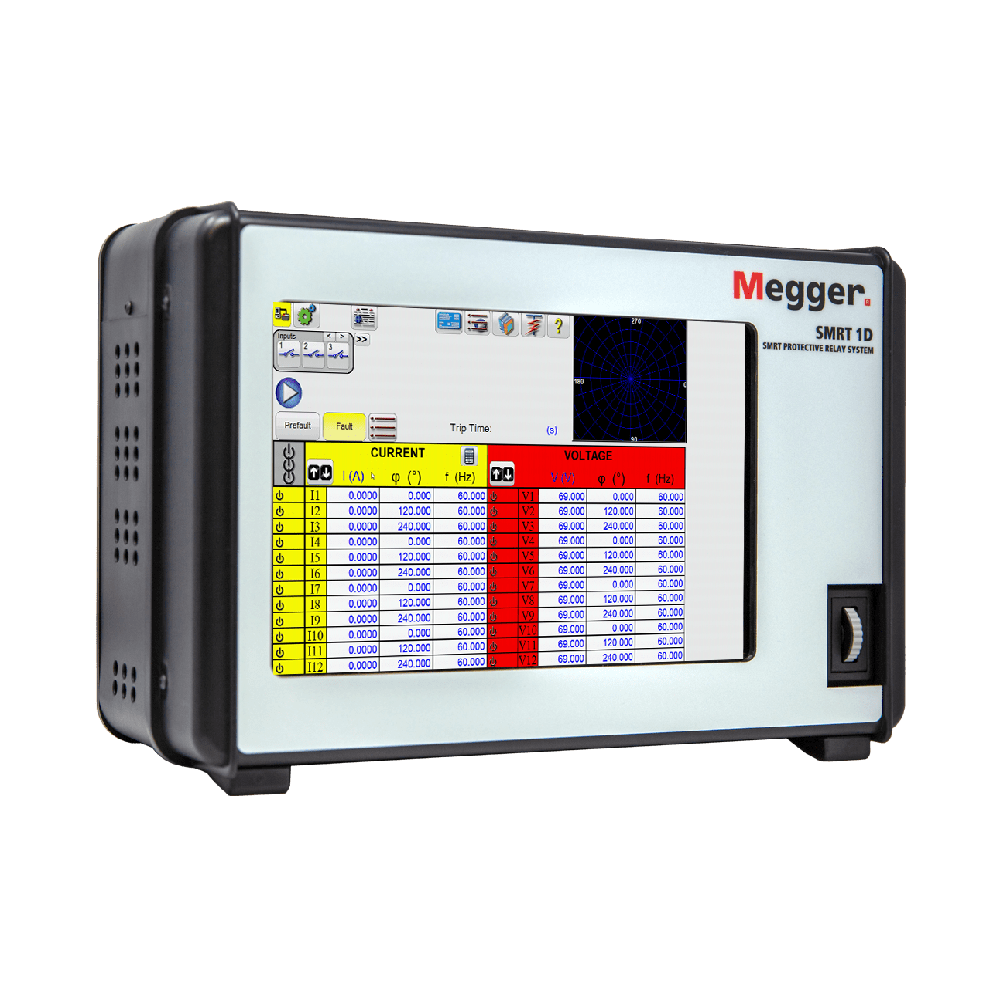

Single-Phase Relay Test Systems (SMRT1, SMRT 1D & SMRT 1B) Specification
- Accuracy
- 0.2% of reading
- Resistant Feature
- Shock and Corrosion resistant
- Usage & Applications
- Relay test, calibration, maintenance of protection relays in substations, industries and laboratories
- Pressure
- Normal atmospheric pressure operation
- Batteries Type
- Not applicable; mains powered
- Product Type
- Single-Phase Relay Test Systems (SMRT1, SMRT 1D, SMRT 1B)
- Material
- High impact engineering plastic and metal chassis
- Measuring Voltage Range
- 0-300 V AC/DC
- Operating Temperature
- 0C to +50C
- Frequency (MHz)
- 45 Hz to 65 Hz
- Insulation Box
- Provided with high grade insulation box for operator safety
- Protection System
- Integrated electronic and thermal protection system
- Size
- Compact and portable design
- Color
- Blue and White
- Dimension (L*W*H)
- Approx. 320 x 250 x 180 mm
- Weight
- 6.5 kg
- Output Current Range
- 0-15 A AC, 0-12 A DC
- Auxiliary DC Output
- 24 V / 110 V / 220 V selectable
- Interface
- USB and RS232 connectivity for PC communication
- Display
- Large 5.7" TFT color display
- Included Accessories
- Test leads, operation manual, calibration certificate
- Cooling
- Forced air cooling with smart temperature management
- Safety Standards
- Complies with IEC 61010-1
- Control Mode
- Local panel and remote PC software operation
- Data Storage
- Internal memory for test result storage
- Phase Angle Range
- 0-360 (with digital adjustment)
- Status Indicators
- LED indicators for output status and fault indication
- Output Power
- 400 VA (maximum)
Single-Phase Relay Test Systems (SMRT1, SMRT 1D & SMRT 1B) Trade Information
- Minimum Order Quantity
- 1 Piece
- Payment Terms
- Cash in Advance (CID)
- Supply Ability
- 10 Pieces Per Month
- Delivery Time
- 10 Days
- Main Domestic Market
- All India
Single-Phase Relay Test Systems (SMRT1, SMRT 1D & SMRT 1B) About
The SMRT1, SMRT 1D, and SMRT 1B are advanced single-phase relay test systems designed for precise secondary injection testing of protective relays in substations and industrial power systems. These compact and lightweight units provide highly accurate current and voltage outputs for testing overcurrent, earth fault, voltage, frequency, and directional relays. With modern control interfaces and compatibility with relay test software, SMRT series testers enable fast, automated, and repeatable testing. Their portable design makes them ideal for commissioning, routine maintenance, and troubleshooting of protection schemes by utilities, EPC contractors, and service engineers.Advanced Relay Testing Made Simple
The SMRT1, SMRT 1D, and SMRT 1B relay test systems are engineered for efficient and high-precision testing of single-phase protection relays. These devices provide clear, digital phase adjustments and output status indicators, catering to modern utility and industrial needs. Compact, robust, and easy to operate, they make relay testing straightforward and reliable for both field and lab applications.
Safety and Durability as a Priority
Designed with the operator's safety in mind, these systems comply with IEC 61010-1 safety standards and feature an integrated protection system against faults. The high-grade insulation box, forced air cooling, and shock/corrosion-resistant materials provide peace of mind during intensive testing routines, making them suitable for challenging operational environments.
Seamless Operation and Data Management
Control your testing through the panel or securely via PC. The SMRT series offers convenient USB and RS232 connectivity and internal memory for storage of test results, ensuring quick data retrieval and efficient reporting. The large TFT display enables clear visualization, while intuitive menus and controls streamline testing and result management processes.
FAQ's of Single-Phase Relay Test Systems (SMRT1, SMRT 1D & SMRT 1B):
Q: How do I operate the SMRT1, SMRT 1D, or SMRT 1B relay test system?
A: You can operate these relay test systems either locally via the intuitive front panel interface or remotely through PC software using USB or RS232 connectivity. This flexibility allows you to conduct tests in various settings, including substations and laboratories.Q: What types of relays can be tested with these systems?
A: The SMRT1, SMRT 1D, and SMRT 1B are suitable for testing, calibrating, and maintaining a wide range of single-phase protection relays used in substations, industrial plants, and laboratories, thanks to their adjustable voltage and current outputs.Q: Where can I use these relay test systems safely?
A: These systems are designed for use in environments such as electrical substations, industrial facilities, and laboratory settings. Their safety certifications, insulation box, and robust protective features ensure safe operation under normal atmospheric pressure and temperature conditions from 0C to +50C.Q: When should I use the internal memory for data storage?
A: Internal memory is ideal for saving test results directly during fieldwork or in the lab, allowing you to securely store, review, and transfer data to a PC for further analysis or reporting without needing external storage devices.Q: What are the main benefits of the shock and corrosion resistant design?
A: The high impact engineering plastic and metal chassis, along with forced air cooling, confer durability against shocks and chemical exposure. This increases the lifespan of the system and ensures reliable operation even in demanding industrial conditions.Q: How is operator safety ensured during testing?
A: Safety is a top priority, with features including compliance with IEC 61010-1 standards, a high-grade insulation box, status LEDs for fault indication, and integrated electronic and thermal protection systems to prevent accidents and equipment damage.Q: What is the process for connecting the system for testing?
A: To begin testing, connect the system's output terminals to your relay using the supplied test leads, select the appropriate output settings on the display, and start the test either from the local panel or remotely via PC. All connections and statuses are clearly shown on the large color screen for efficient operation.Tell us about your requirement

Price:
Quantity
Select Unit
- 50
- 100
- 200
- 250
- 500
- 1000+
Additional detail
Mobile number
Email

More Products in Cable Fault Location And High Voltage Test System Category
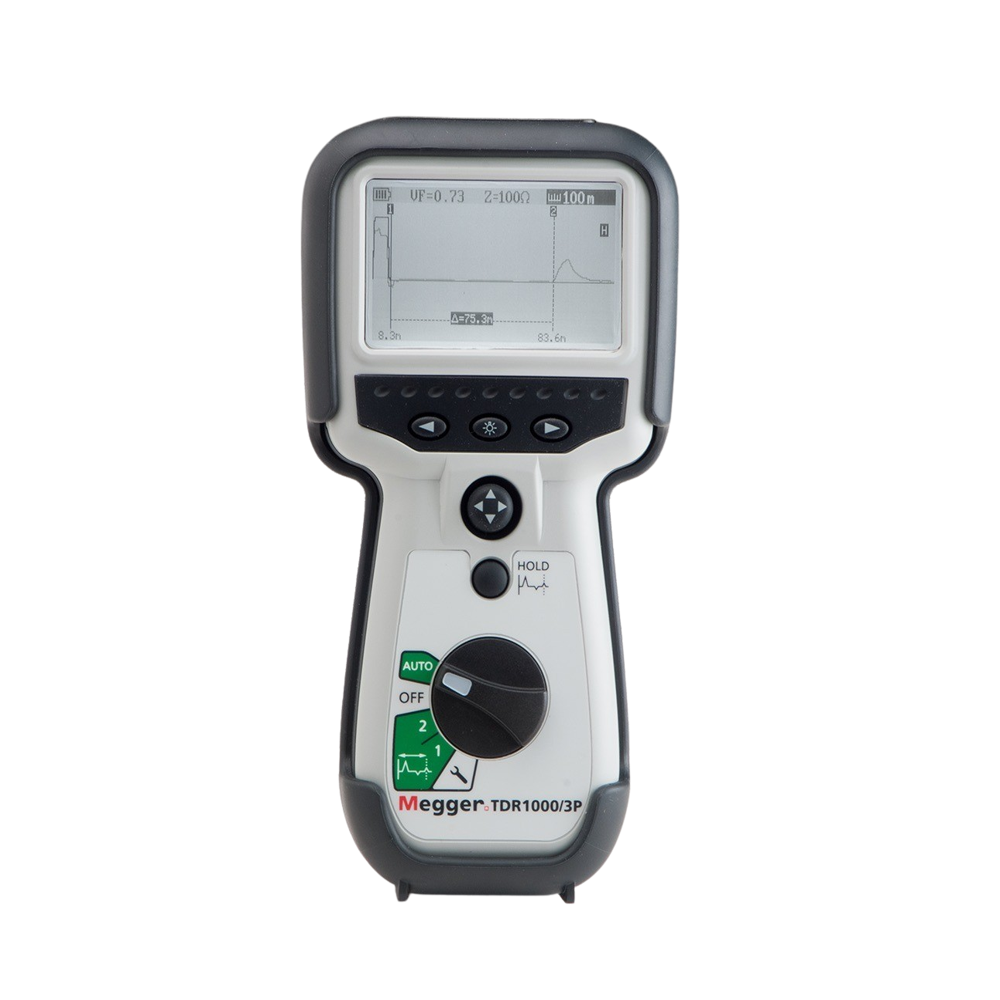
Handheld Time Domain Reflectometer - TDR 1000/3P
Price 360000.0 INR / Piece
Minimum Order Quantity : 1 Piece
Product Type : Handheld Time Domain Reflectometer
Size : Compact
Material : ABS Plastic Body
Color : Gray/Blue
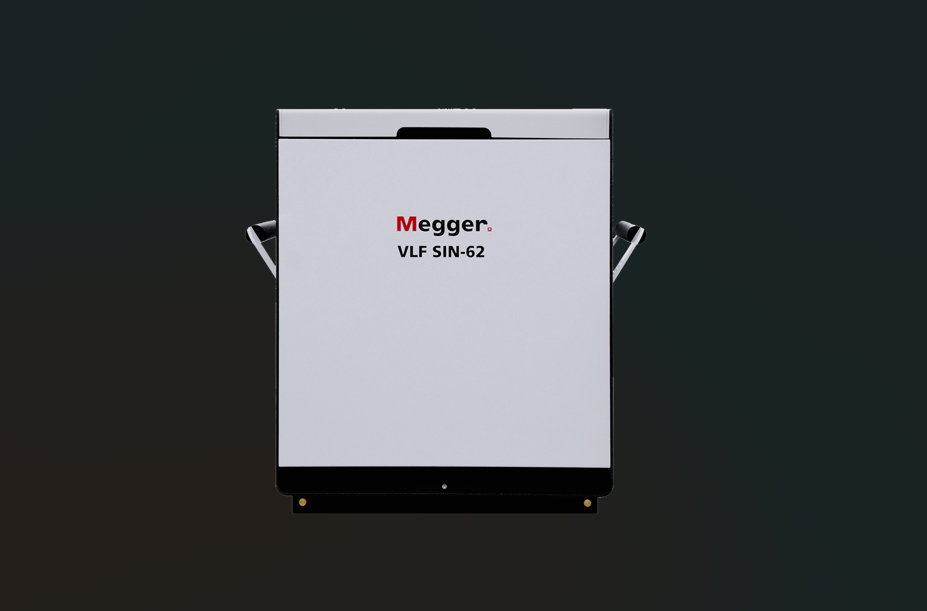
VLF Tan Delta Partial Discharge Kit 62 kV
Minimum Order Quantity : 1 Piece
Product Type : VLF Tan Delta Partial Discharge Kit
Size : Portable/Standard
Material : Highimpact Industrial Grade Plastic and Metal
Color : Blue & Grey
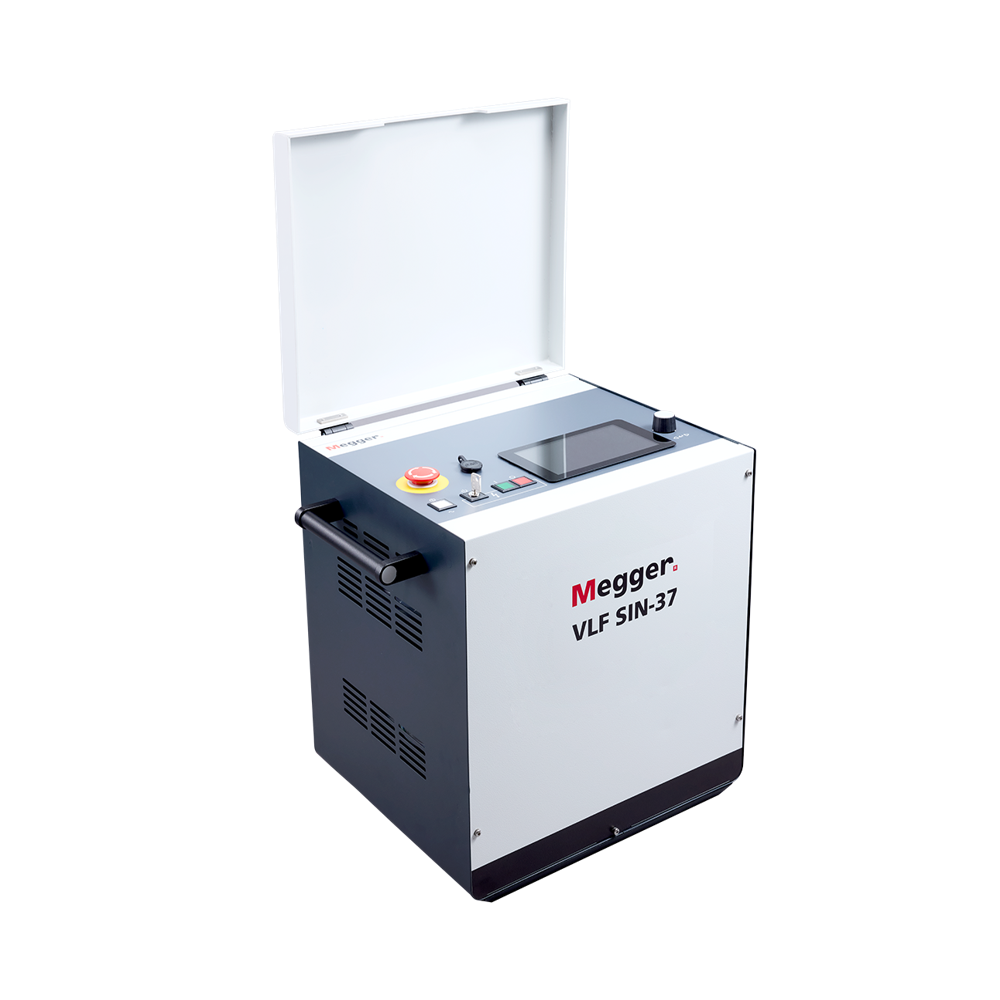
VLF Sine Wave High Voltage Test Set 37 kV
Minimum Order Quantity : 1 Piece
Product Type : VLF Sine Wave High Voltage Test Set
Size : Portable, compact
Material : Metal body with ABS insulation covers
Color : Grey & blue
EZ-THUMP 12KV Highly Portable Fault Location System
Price 2710955 INR / Piece
Minimum Order Quantity : 1 Piece
Product Type : EZTHUMP 12KV Highly Portable Fault Location System
Size : Customerized
Material : Electric
Color : White

Adiradh Energy Pvt Ltd
GST : 36AASCA0235C1Z0
GST : 36AASCA0235C1Z0
15-29-887/C2, Road No.2, KPHB Colony, Kukatpally,Hyderabad - 500072, Telangana, India
Phone :08071931979
 Send Inquiry
- TRANSFORMER AND SUBSTATION TESTING PRODUCTS
- Transformer And Substation Testing Products
- Cable Fault Location And High Voltage Test System
- Power Protection And Switchgear Test Equipment
- Electrical Safety And Transmission Line Test
- Thermal Imaging And Temperature Measurement
- Motor And Generator Testing Equipment
- Insulation Resistance Tester
- Partial Discharge
- Battery Testing Instrument
- Laser Distance Meter
- Environmental Tester
- Distance Meter
- Thermal Imaging Camera
- Digital Clamp Meter
- Transmission Line And Tower Inspection Products
- Insulation Tester
- Omron Products
- Bosch Distance Meter
- Electrical Test And Measuring Instrument
 Send Inquiry
 Send SMS
Adiradh Energy Pvt Ltd
All Rights Reserved.(Terms of Use)
Developed and Managed by Infocom Network Private Limited.
Developed and Managed by Infocom Network Private Limited.

