

Call us now
08071931979
Advanced Dual-Channel Time Domain Reflectometer - TDR 2000/3
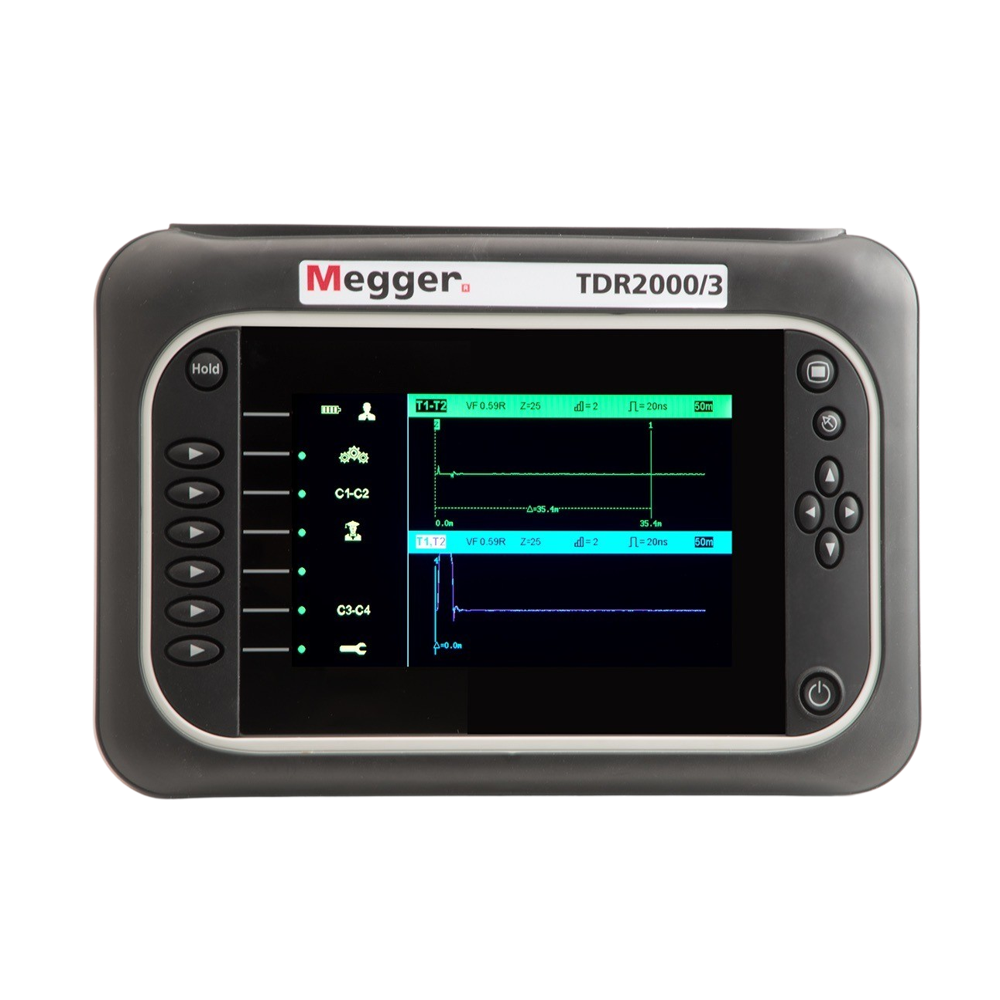
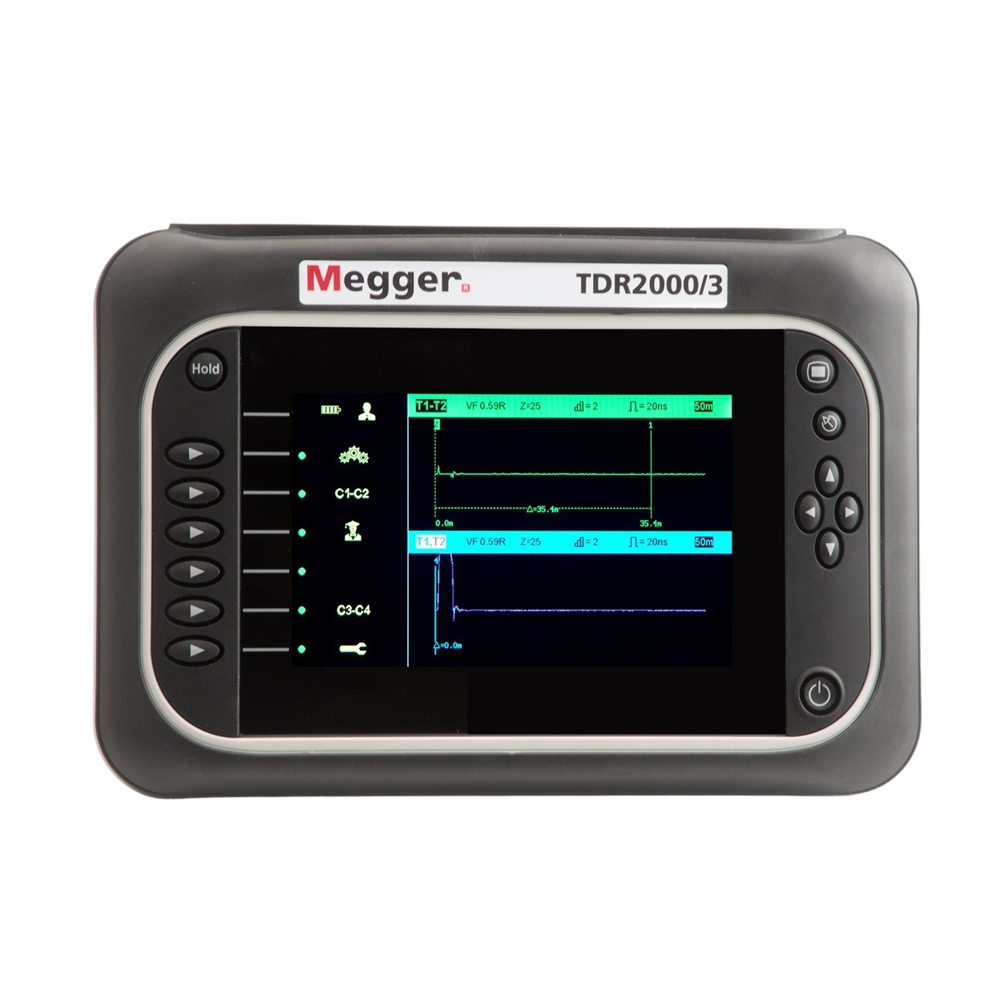

Advanced Dual-Channel Time Domain Reflectometer - TDR 2000/3 Specification
- Usage & Applications
- Fault location and characterization in metallic cables, telecom, power, and data networks
- Accuracy
- 0.1% of reading
- Batteries Type
- 6 x AA alkaline
- Resistant Feature
- Impact, Dust, and Splash Resistant
- Product Type
- Advanced Dual-Channel Time Domain Reflectometer
- Material
- High-impact ABS Housing
- Measuring Voltage Range
- Up to 25V (ac/dc)
- Operating Temperature
- -10C to +50C
- Frequency (MHz)
- 2 MHz (Pulse Repetition Frequency)
- Insulation Box
- Yes
- Protection System
- IP54 (Weatherproof)
- Size
- Handheld portable
- Color
- Yellow/Black
- Dimension (L*W*H)
- 250 x 180 x 70 mm
- Weight
- 1.2 kg including batteries
- Channels
- Dual Channel
- Memory Capability
- Storage for up to 100 test traces
- Maximum Range
- Up to 20 km depending on cable type
- Pulse Width
- 2 ns to 2 s adjustable
- Minimum Resolution
- 0.1 m
- Compliance
- Meets IEC standards for TDRs
- Velocity Factor (VOP)
- Selectable, 0.2 to 0.99
- Software Support
- PC software for trace analysis included
- Environmental Rating
- Complies with CE and RoHS standards
- Display Type
- Large backlit LCD graphical display
- Power Source
- Battery powered for field portability
- Interface/Connectivity
- USB for data transfer
Advanced Dual-Channel Time Domain Reflectometer - TDR 2000/3 Trade Information
- Minimum Order Quantity
- 1 Piece
- Payment Terms
- Cash in Advance (CID)
- Supply Ability
- 10 Pieces Per Month
- Delivery Time
- 10 Days
- Main Domestic Market
- All India
Advanced Dual-Channel Time Domain Reflectometer - TDR 2000/3 About
The TDR 2000/3 is an advanced dual-channel time domain reflectometer designed for precise and fast fault location in power, control, and communication cables. With dual-channel capability, it allows simultaneous monitoring of two cable lines or comparison of traces, making fault detection more efficient. High-resolution waveform display and adjustable velocity of propagation (VOP) ensure accurate distance measurements for open, short, and impedance faults. Portable and rugged, the TDR 2000/3 is ideal for field engineers, utilities, EPC contractors, and industrial maintenance teams.
Key Features-
Dual-channel measurement for side-by-side trace comparison
-
High-resolution display with clear waveform visualization
-
Adjustable VOP for different cable types
-
Accurate fault location for open, short, and impedance faults
-
Non-destructive low-voltage pulse testing
-
Portable and rugged design suitable for field operations
-
Data storage capability for trace records (model-dependent)
-
Underground and overhead power cable fault location
-
Control and instrumentation cable troubleshooting
-
Telecom and communication cable diagnostics
-
Industrial cable maintenance and testing
-
Utility and EPC field operations
Dual-Channel Precision and Versatility
With two independent channels, the TDR 2000/3 allows simultaneous or comparative testing of different cables, increasing diagnostic efficiency and accuracy. The selectable velocity factor (VOP) covers a range from 0.2 to 0.99, accommodating diverse cable types in telecom, power, or data network environments.
User-Friendly Display & Data Management
The large, backlit LCD graphical display ensures clear visualization of cable faults and test results, even in dimly lit environments. Users can store up to 100 test traces internally with easy data transfer and analysis using the integrated USB port and included PC software.
Rugged Design for Field Use
Developed for field portability, the TDR 2000/3 is lightweight, compact, and features high-impact ABS housing. Its IP54 compliance makes it resistant to dust, splash, and impacts, while the battery-powered operation supports long-duration field tests in harsh weather.
FAQ's of Advanced Dual-Channel Time Domain Reflectometer - TDR 2000/3:
Q: How does the dual-channel functionality enhance cable fault testing with the TDR 2000/3?
A: The dual-channel design allows users to simultaneously test and compare two separate cables or channels. This feature increases productivity by enabling side-by-side fault localization and characterization without switching connections, streamlining diagnostics, especially in complex network environments.Q: What is the process to transfer and analyze test traces from the TDR 2000/3?
A: Test traces can be stored internally (up to 100 results). To transfer data, simply connect the TDR 2000/3 to a PC via the built-in USB port. The supplied PC analysis software allows users to view, compare, and archive traces for detailed analysis and reporting.Q: Where can the TDR 2000/3 be effectively utilized?
A: The TDR 2000/3 is suitable for fault location in metallic cables used in telecommunications, power utilities, and data networks. Its rugged, weatherproof construction allows effective use in both indoor and outdoor field conditions across diverse Indian climates.Q: What makes the TDR 2000/3 ideal for field operations?
A: Its lightweight, handheld design, battery-powered operation (using 6 AA alkaline batteries), and IP54 environmental protection ensure durability and reliability during on-site cable diagnostics, even in challenging weather and rough environments.Q: When should you adjust the velocity factor (VOP) during testing?
A: Adjusting the velocity factor is essential when testing different cable types, as VOP varies between cable materials and construction. Selecting the correct VOP ensures accuracy in distance-to-fault measurements and trace analysis.Q: What are the major benefits of using the TDR 2000/3 for cable maintenance?
A: With high measurement accuracy (0.1% of reading), a minimum resolution of 0.1 m, and advanced software support, the TDR 2000/3 helps quickly identify and characterize faults. This reduces downtime, improves network reliability, and lowers maintenance costs.Tell us about your requirement

Price:
Quantity
Select Unit
- 50
- 100
- 200
- 250
- 500
- 1000+
Additional detail
Mobile number
Email

More Products in Cable Fault Location And High Voltage Test System Category
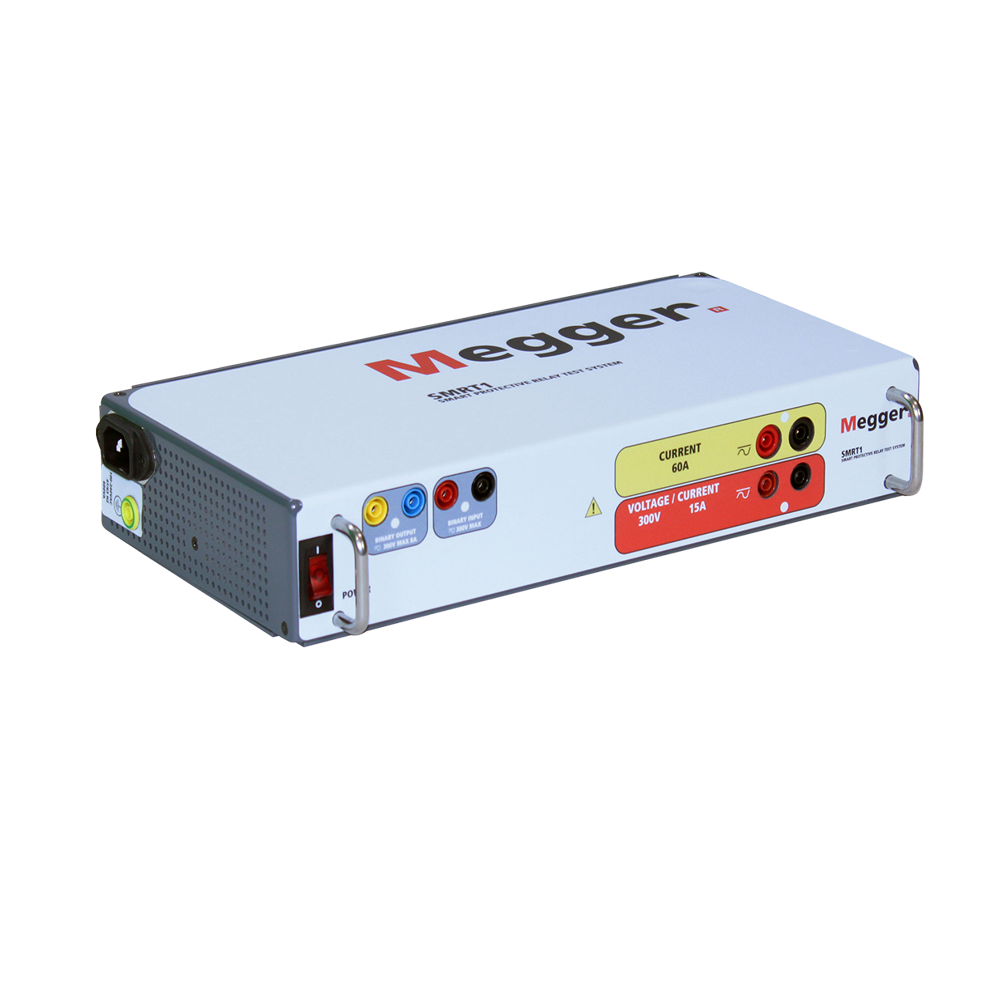
Single-Phase Relay Test Systems (SMRT1, SMRT 1D & SMRT 1B)
Price 1800000.0 INR
Minimum Order Quantity : 1 Piece
Material : High impact engineering plastic and metal chassis
Product Type : SinglePhase Relay Test Systems (SMRT1, SMRT 1D, SMRT 1B)
Color : Blue and White
Size : Compact and portable design
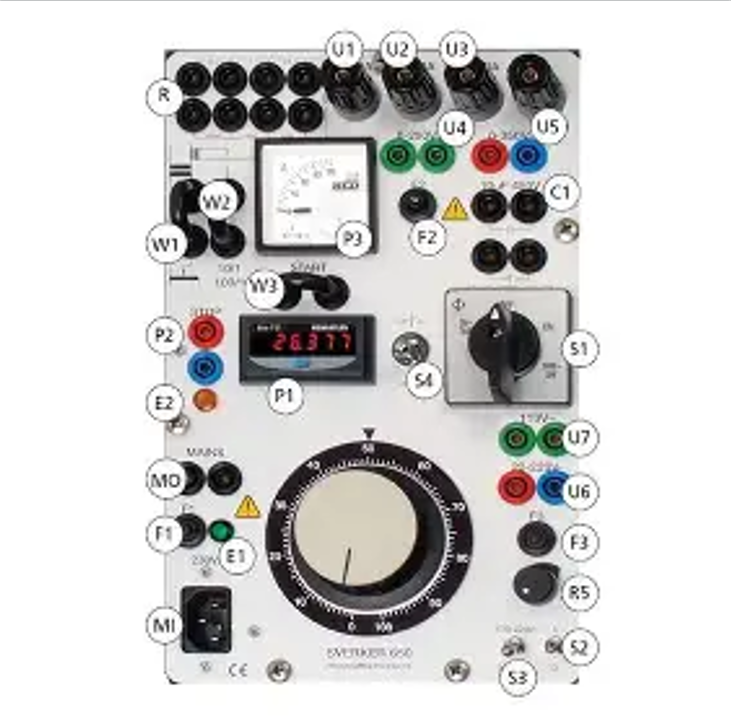
Sverker 650 Single Phase Relay Test Set
Price 1299990.0 INR / Piece
Minimum Order Quantity : 1 Piece
Material : Metal and ABS housing
Product Type : Single Phase Relay Test Set
Color : Blue & Grey
Size : Portable
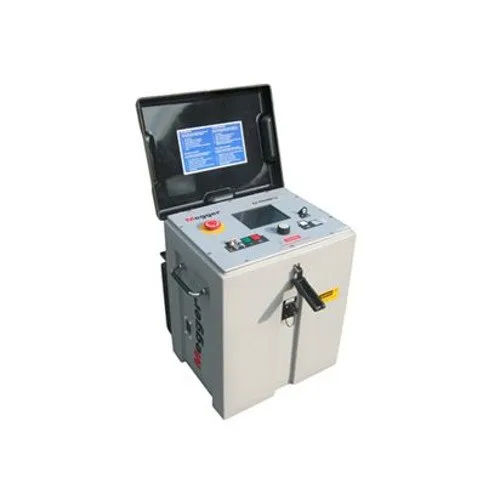
EZ-THUMP 12KV Highly Portable Fault Location System
Price 2710955 INR / Piece
Minimum Order Quantity : 1 Piece
Material : Electric
Product Type : EZTHUMP 12KV Highly Portable Fault Location System
Color : White
Size : Customerized
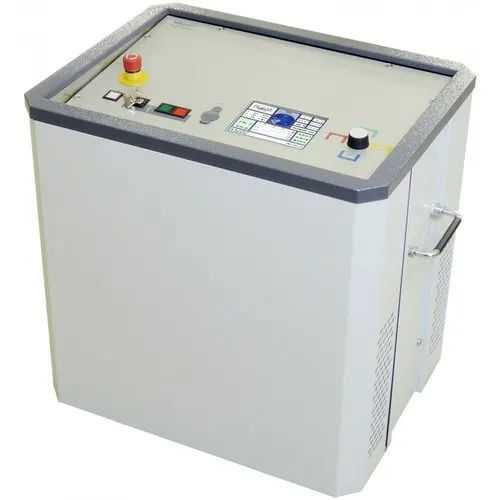
VLF Cable Test System
Price 291099 INR / Unit
Minimum Order Quantity : 1 Unit
Material : Electric
Product Type : VLF Cable Test System
Color : Black
Size : Customerized

Adiradh Energy Pvt Ltd
GST : 36AASCA0235C1Z0
GST : 36AASCA0235C1Z0
15-29-887/C2, Road No.2, KPHB Colony, Kukatpally,Hyderabad - 500072, Telangana, India
Phone :08071931979
 Send Inquiry
- TRANSFORMER AND SUBSTATION TESTING PRODUCTS
- Transformer And Substation Testing Products
- Cable Fault Location And High Voltage Test System
- Power Protection And Switchgear Test Equipment
- Electrical Safety And Transmission Line Test
- Thermal Imaging And Temperature Measurement
- Motor And Generator Testing Equipment
- Insulation Resistance Tester
- Partial Discharge
- Battery Testing Instrument
- Laser Distance Meter
- Environmental Tester
- Distance Meter
- Thermal Imaging Camera
- Digital Clamp Meter
- Transmission Line And Tower Inspection Products
- Insulation Tester
- Omron Products
- Bosch Distance Meter
- Electrical Test And Measuring Instrument
 Send Inquiry
 Send SMS
Adiradh Energy Pvt Ltd
All Rights Reserved.(Terms of Use)
Developed and Managed by Infocom Network Private Limited.
Developed and Managed by Infocom Network Private Limited.

